A major overhaul of creature movement, feeding, and survival, with richer animation and more ways to shape your world.
Version 1.2.0•May 29, 2026
Predation, Mating, and Habitat Balance
This release tightens the food web and long-run balance, with clearer predator labels, visual bite contact, feeding intent, mate matching, juvenile vulnerability, swimmer movement, and more tunable habitat-calibrated food flow.
Version 1.1.0•April 30, 2026
Carcasses, Scavenging, and Bite-Based Hunting
This release makes the food web more alive: creatures can leave carcasses, scavengers can emerge through tiny carrion nibbles, and hunting now depends on bites, jaws, body size, and shell defence.
Version 1.0.11•April 29, 2026
Edit Habitats During a Simulation
This release adds Habitat Edit Mode, a Phaser-native way to reshape island layouts while a simulation is already running.
Tidepool.life — Evolution Simulator
A real-time artificial life evolution simulator where creatures with neural-network brains survive, eat, hunt, scavenge, mate, mutate, and speciate across islands, shallows, and deep water. Design species with 74 genes, alleles, and diploid chromosomes, tune the environment, and watch natural selection unfold. Every run tells a different evolutionary story as bodies and brains adapt together.
Seed a population and watch natural selection reshape bodies, brains, and behaviour over generations, or steer it yourself with cages and selective breeding.
🌊Manipulate Environment
Shape land, shallows, and deep water, then tune the food supply and scarcity. The habitat you build decides which traits survive.
🧬Genetics
Diploid chromosomes, dominant and recessive alleles, crossover, and mutation decide what offspring inherit. Lineages drift apart into new species, and karyotype editing goes deeper.
📊Analyse the Data
The Data Analysis panel follows populations, gene and allele history, mutation trends, and the species tree. Click any creature to inspect it.
How the Simulation Works
The biology behind every run: habitats, energy, food webs, genes, and the neural brains that drive behaviour.
What Is Tidepool?
Tidepool is an artificial life simulator that models evolution from the ground up. You seed a population with starter creatures, set the environment, and then step back while natural selection runs in real time.
Each creature has an inherited body shaped by 74 heritable genes and a small evolving brain that guides its behaviour. Creatures forage, avoid danger, find mates, reproduce, and eventually die.
No two runs play out the same way. Lineages may become efficient swimmers, capable walkers, armoured prey, specialised feeders, scavengers, or predators. Others fail to adapt and become extinct. Your role is to shape the environment and observe which strategies evolution discovers.
A useful trait is not a universal upgrade. What matters is whether its benefits help a creature survive and reproduce in its particular surroundings enough to repay its costs.
In Tidepool, these choices emerge from the whole animal. Muscle needs support, a hunting jaw needs food it can catch and digest, and a larger brain must earn its living. A specialist can excel in one niche while a generalist keeps more options when conditions change.
Compare three things: what an investment improves, what it compromises, and where it is worthwhile. The movement, feeding, brain, and reproduction sections below explain those choices in more detail.
Explore the shared costs and compromises
Body space: Brain, digestive organs, reserves, and movement tissues compete for a finite body. Requesting more of everything does not guarantee that everything can develop fully.
Energy and growth: Living tissues need maintenance and new tissue needs food to build. Powerful strokes and frequent signals also spend energy when used; a capability must bring enough return to support it.
Movement and support: Muscle can add power, but extra tissue, armour, tails, and limbs also add load or resistance. Longer limbs only deliver useful strides when their muscle, shafts, and body can support them.
Time and opportunity: Growing, finding food, recovering, and caring for young leave less time for other activities. Earlier breeding and many offspring compete with a stronger start for each youngster.
Habitat and diet: Streamlined swimmers, supported walkers, coarse-plant grazers, and hunters solve different problems. An advantage in one setting can become a burden where the food, terrain, or threats differ.
Behaviour and specialisation: Not every trade-off is an extra energy charge. Caution can miss feeding opportunities, exploration can waste travel, and pigment matching favours some plant foods over others. The benefit depends on what the creature encounters.
When you start a run, you choose a habitat and world size. Tidepool then generates deep water, shallow shelves, and islands from that template; larger worlds provide more room for populations but ask more of your device.
Creatures begin in water. Shallows create a gradual physical bridge toward land: bodies that fit beneath the surface can swim, useful bottom contact opens up leg-assisted swimming or wading, and increasingly capable limbs can support movement onto land.
Each habitat varies from run to run, but the chosen type controls the broad structure. Land, shallows, and deep water have independent food supplies whose rates, caps, sizes, richness, and toughness follow the simulation settings. The defaults make shallows denser with smaller food and deep water sparser with larger pieces.
Explore habitats and locomotion
Deep Water: Suits flexible body-wave swimmers, streamlined tail swimmers, and animals with useful fins. Bulky bodies and large appendages need more power to overcome drag.
Swimming: Body waves, paired fins, and tails provide different kinds of drive. Each stroke costs the muscle it recruits, and water resistance rises sharply with speed.
Water control: Body shape and rear fins help a swimmer hold its line. Front and middle fins can actively paddle, brake, and steer.
Gliding: Larger, denser, streamlined bodies coast farther between strokes. Extra fins, limbs, and armour add drag as well as mass.
Shallows: A creature remains fully submerged while its body fits within the water depth. Larger bodies touch the bottom and increasingly lose swimming performance, while land-capable creatures can shift into wading. Eventually a body can become too large to use that shallow passage at all.
Land: Early shore movers may combine tail-driven slithering with fins, paddles, or short limbs. Established walkers and hoppers rely on their legs: a tail adds weight and ground drag, not forward push.
Amphibious tails: A tail working underwater can help a wader push farther and slide between steps, even when its body is too large to swim freely through the shallows. Its help fades as less of it remains underwater. Tail strokes cost energy and stamina; useful aquatic tails still burden their owners on dry land.
Land is the upper terrain layer. Where an island overlaps a shallow shelf, the point is land; the shallows continue beyond the shoreline.
Land, shallows, and deep water generate food independently, creating separate foraging zones and selection pressure.
Swimming Body Plans
A flexible elongated body can swim with body waves. Muscle drives the wave and a strong internal frame transmits it: flexibility alone is not strength. A tail uses its own muscle and structure, and body swimming helps it work more efficiently without weakening the body wave. Rear fins help either swimmer track steadily, while front fins give stronger steering and braking.
A muscular, reinforced tail provides strong acceleration. A moderately firm torso favours forward tail thrust; a flexible torso makes stronger body waves and helps the tail steer through tighter turns. Longer tails sweep farther but add mass, upkeep, turning burden, and a slower beat.
A tail can power and steer a swimmer without body waves or front fins. Short tails make quicker, smaller strokes; long tails make slower, stronger strokes. Control fins can steer between tail strokes. A tail trails without adding forward swimming drag, but still costs energy to grow, maintain, and move.
Broad front and middle fins make their own controlled thrust and can brake or redirect the swimmer. Their local muscle powers the sweep and their structure supports it.
Rounder bodies retain warmth more efficiently and give fin strokes a broader braced base, but meet more water resistance. That body assistance helps working fins push and brake; it cannot replace fin muscle or supporting structure. Streamlined bodies favour low-drag travel and useful body waves instead.
Rear fins do not paddle forward on their own. They stabilise body and tail movement, helping either source of swimming power transfer cleanly.
Long, thick legs resist water more than thin ones. Fin-shaped cores slip through more easily, and broad, thin membranes carry a smaller surface cost while providing propulsion or control.
Habitat Types
Archipelago: A cluster of medium islands with separate shallow shelves and deep water between them, useful for island dispersal, mixed land-water niches, and comparing walkers with swimmers.
Single Island: One larger island beside a broad shallow shelf, with part of its coast opening directly into deep water for comparing sheltered primitive swimmers, deep-water lineages, and land-capable creatures.
Shallow Wetlands: Small islands sit within broad connected shallows, giving small swimmers room to shelter, land-capable creatures routes to wade, and larger swimmers a surrounding deep-water niche.
Mainland and Satellites: A large mainland with a continuous shallow shelf and smaller offshore islands whose shelves may leave exposed coasts, supporting a stable core population plus satellite pockets for dispersal and founder effects.
Deep Water: A fully aquatic world with no islands or shallows, favoring tails, streamlining, efficient swimming, and deep-water foragers.
Barrier Islands: A chain of narrow islands with mostly surrounding shallow shelves and occasional exposed coasts, creating obstacles and separated pockets that pressure swimmers and coastal populations.
Swimming and Wading in Shallows
Vertical body depth, not just visible width or overall size, determines whether a body fits beneath the water. Round bodies are deep; streamlined bodies become shallower, but not as thin vertically as their visible width. Legs can reach the bottom while the body still floats clear of it.
Longer, well-supported legs can hold more of the body above the water and improve bottom contact, but moving submerged limbs still takes effort. A powered tail can carry a wader into a glide with its feet lifted, beyond the reach of a single step. The body still meets water resistance and any belly contact with the bottom; the tail adds no drag in water, but its strokes cost energy and stamina.
Touching the bottom does not force a creature to wade. A land-capable creature uses swimming or wading according to which its body can sustain better. When swimming, useful leg contact can add a bottom push before the legs tuck for the glide; fins, body waves, and tails still provide aquatic drive.
A swimming body that rubs the bottom still loses motion to ground friction. Reaching the bottom with feet is therefore different from dragging the torso along it. The shallow-water burden comes from movement resistance, not a penalty to metabolic recovery.
The size-dependent transition can make connected shallows useful to small swimmers and juveniles while leaving nearby deep water available to larger aquatic creatures.
Leg Support, Stride, and Cost
Muscle supplies push. Structure stiffens the shaft and transmits that force. Too little of either limits the whole leg; surplus tissue adds weight and upkeep.
Long legs offer greater reach, but need strong shafts, leg muscle to swing, and torso muscle to brace the body. A weak core limits powerful strides and hops. Flexible torsos need more bracing muscle than firm ones.
Short legs make quicker, cheaper contacts and suit steady movement, but each step covers less ground. Strong rear legs can turn extra supported reach into a bound.
Once a creature can use a full walking stride, surplus muscle and support can extend it into a run or bound. Many driving limbs, especially crowded ones, make that extra carry harder to coordinate. Connective tissues return some stride energy, but muscles still pay to support and move the body.
Body mass raises both the support and propulsion needed. Fat, armour, tails, jaws, and the limbs themselves all contribute to that load.
Additional pairs share support and pushing strain, improving stable force and endurance when coordinated. Each extra pair still adds tissue and swing work.
Crowded attachment roots interfere with one another. Their visible overlap matches the physical packing model, although a small overlap is tolerated and distal fin overlap does not count.
From Shore Crawling to Walking
Land movement changes continuously rather than switching on when one gene crosses a single boundary. The land locomotion label describes the movement the whole body can currently produce.
Appendage Surface runs from narrow, leg-like limbs to broad fins and paddles. Narrow limbs make the strongest walking legs, but moderately broad or webbed limbs can still join a walking gait when their length, placement, muscle, and structural support are good enough. Full fins remain better suited to swimming and low crawling.
Rear appendages provide most forward drive. Front and middle appendages brace, steer, and balance the body; a rear-driven creature with little front support may develop a hopping gait.
Leg roots need room, not an elongated body: a compact body can carry several pairs without penalty when their attachments fit. Longer walkers need enough fore-and-aft foot reach to steady their weight. A heavy projecting jaw loads the front legs; tails rest on the ground and add drag rather than acting as free counterweights.
Limbs can push a creature forward while its belly still rests on the ground. Belly contact adds drag, while stronger support lets the body rise and use more of the legs' reach for each step. Thin or weak limbs still struggle with heavy loads.
Land Locomotion and Habitat Labels
Slitherer, crawler, transitional walker, hopper, and walker describe how a creature moves on land. Walkers have developed leg-like limbs carrying most of the body load. A transitional walker uses supported steps, but its limbs, stride or support are not yet fully established. Broad paddles can help a creature crawl without making it a walker.
Land-adapted is a basic habitat label: the creature has enough workable anatomy to use land, even if it still slithers or crawls. It does not imply a specialised terrestrial body plan.
Semi-aquatic creatures move usefully on land and through swimming or tail-assisted wading. Amphibious specialists need strong, balanced movement in both environments. A useful tail alone does not make a creature a specialist.
Land specialist is more demanding than simply being able to use land: it requires reliable leg support, steering, and propulsion. It describes habitat performance rather than gait alone; a walker may remain semi-aquatic if it also swims or wades effectively.
Mature walkers can remain balanced generalists or lean into different walking forms. Short-step walkers favour quick acceleration and responsive steps, long-striders cover more ground with each stride, and many-legged walkers spread effort across additional contacts.
Rapid-steppers, runners, and efficient marchers are strongly developed versions of those directions. The labels describe movement the anatomy already produces: they do not grant speed, stamina, or efficiency themselves.
Editing Habitats During a Run
Habitat Edit Mode lets you modify islands and shallow shelves during an active simulation. You can add, delete, move, or resize either terrain layer, then apply the new layout without starting over.
The simulation pauses while you edit, and you can toggle creature visibility to see where populations are before placing or removing land.
Editing habitats is useful for experiments: connect islands with shallow channels, split a species across new land, remove a refuge, create migration pressure, or test how a lineage survives sudden habitat disruption.
Food and creatures are not redistributed when you apply the layout. Resources are reclassified as land, shallows, or deep water and then follow that habitat's food settings, while creatures deal with the physical consequences naturally.
Every creature is in a constant battle to stay alive. Energy reserve, stomach contents, and stamina govern survival.
Energy reserve is the creature's stored fuel. Staying alive, moving, sensing, thinking, growing, and reproducing all consume it. Food must be digested before it replenishes the reserve, and a creature that reaches zero energy starves.
The stomach holds raw food while digestion turns part of it into usable energy. Plants and meat have their own digestive abilities, but share one physical gut. Every creature has a small obligatory core gut; Intestine Length and Intestine Width describe optional tract built beyond it. Length adds retention and absorptive surface, especially helping coarse fibre, while width increases passage but reduces wall contact per unit of material. Plant colour matching also affects how rewarding plant food is. Unused energy returns briefly as soft organic leftovers.
Stamina is the creature's short-term capacity for exertion. Powerful movement spends it quickly, while rest lets it recover. This creates a trade-off between brief bursts of speed and sustained, efficient movement.
Explore survival trade-offs
Fat is the main long-term energy store. It helps creatures survive scarcity and forms an insulating layer, but adds weight without directly improving movement or defence.
Muscle supports force and stamina but is costly to maintain. Burst-oriented muscle favours short surges; endurance muscle favours repeated effort and recovery.
Larger stomachs help creatures use occasional large meals. Wide intestines favour rapid turnover; long intestines favour extraction when food is scarce.
Brains, strong muscles, demanding senses, armour, growth, and reproduction can all improve survival in the right niche, but each also carries an energy or body-space cost.
Lifespan reflects the body's pace of life. Fast-burning, burst-oriented bodies tend to age sooner; slower-burning bodies tend to last longer. Elders stop reproducing and become weaker and more vulnerable, but can survive until their lifespan ends. The Life Cycle section explains growth and adult condition.
Body Size Creates Different Niches
Small creatures need less food in absolute terms, mature quickly, and can burst, brake, turn, and push again quickly in water. Their disadvantages are limited reserves, faster heat loss, little physical presence, and being easy prey.
Mid-sized creatures sit between those extremes. They can balance responsiveness, reserves, warmth, strength, and development time, but size alone does not make them superior to a well-adapted small or large specialist.
Large creatures can carry far more reserve, retain warmth, exert greater physical presence, and preserve momentum while gliding. They are hard for predators to bring down and can take larger prey themselves. Their gut grows with them, so a big body can eat and digest in proportion to its size, but it needs more total food, responds and turns more slowly, and has much more body tissue to build before adulthood.
Size modifies the opportunities and demands of a body plan; it does not replace inherited anatomy. Fins, tails, muscle, support, streamlining, and behaviour still determine whether a creature makes good use of its size.
Resting energy needs follow the living tissues a creature has built. Extra jaw, digestive, brain, sensory, muscle, and organ tissue therefore has a real upkeep cost at every body size.
Evolved Pacing and Recovery
Creatures can sense whether recent exertion is being covered by recovery. A positive aerobic balance supports continued movement, while a negative balance signals that repeated pushing is draining stamina faster than it returns.
Routine Activity Bias and Exertion Tolerance shape ordinary movement tendencies rather than imposing one fixed speed. The evolving brain combines them with hunger, nearby food, danger, stamina, and recent effort.
A cautious lineage may cruise gently or remain still until an opportunity appears. A more active lineage may sprint, recover, and sprint again. Either strategy can succeed when it matches the body and environment.
Body size and anatomy set what movement is physically available: small bodies respond quickly, while large bodies preserve momentum. Brain evolution determines how the creature uses that capability.
Reading Body Composition
Body Composition shows how the creature's body is divided between armour, structure, muscle, fat, organs, brain, and body fluid, counting torso, tail, appendages and jaw tissue together.
All torso tissues compete for limited body space. Growing larger creates more room, but also increases food needs and the effort required to move. Appendages, tail and jaw add their own paid tissue beyond the torso. Local muscle and structure determine their strength, with blood and padding supporting the working tissue.
Structural tissue is dense frame tissue. It improves body support and toughness, but it does not create movement power by itself.
Muscle tissue creates force for movement and hunting, adds stamina capacity, and contributes some active bracing. It also adds mass and upkeep.
Fat tissue is the main long-term energy reserve. It is cheap to maintain and a thicker layer reduces heat loss, but it adds mass and does not add push or support.
Organs support digestion, stamina recovery, energy reserves, repair, and basic life, but take space and energy to maintain. If the requested stomach, intestine, and food-processing machinery cannot all fit alongside the rest of the body, the creature develops smaller or less effective versions of them.
Brain tissue supports more complex decisions, memory, and visual processing. A similar neural workload needs a similar amount of tissue regardless of body size, so it can occupy much of a tiny body but a far smaller share of a large one. Brains do grow with the bodies that carry them, but always more slowly than the body itself, so the smallest creatures carry the heaviest brains for their size; this is Haller's rule. The brain receives priority during development and crowds out less essential tissues. When the whole requested brain cannot fit, usable memory, retention, and advanced faculties are reduced to what the body can support.
Body support comes mainly from structural tissue, muscle, and useful contact with the ground. Heavy bodies with too little support move poorly, especially on land.
Action Dots — Reading Behaviour at a Glance
When Action Dots are enabled, every creature displays a status indicator. The dot normally shows the current action, colour-coded by drive. Purple shows pregnancy as a biological status instead while gestation is active. Energy reserve, stomach, digestion, and stamina remain available in the selected creature panel, along with whether mating intent is active.
ForagingOrange marks a creature actively seeking or approaching food.
WanderingYellow marks low-commitment exploration when no stronger drive is steering the creature.
FleeingRed marks danger response when the creature is trying to escape a predator.
RestingBlue marks recovery behaviour when rest is the strongest current drive.
Seeking a MateGreen marks mate-seeking behaviour when reproduction is available and attractive.
PregnantPurple marks a pregnant creature while gestation is active.
Each habitat has a renewable energy budget. Food production, food size, local crowding, and the recycling of unused organic material determine how much energy is available to support its creatures.
Food production can run in Manual or Auto mode separately for land, shallows, and deep water. Manual mode gives direct control over abundance. Auto mode adjusts supply to habitat area and local crowding, making it useful for longer experiments.
Each habitat has its own production rate, energy cap, size range, size mix, and colour mix. Each plant size has its own share of the food supply, so uneaten large plants do not prevent small plants from replenishing. Because energy grows with plant size, changing the mix toward larger pieces produces fewer individual pieces for the same total energy flow.
Undigested plant material and unused organic energy can return nearby as soft organic leftovers. Other creatures can consume these leftovers before they decay, keeping some energy in circulation rather than losing it immediately.
Explore food production settings
Default food comes in three colours. Land starts red-dominant (Red 60%, Blue 30%, Green 10%), shallows start blue-dominant (Blue 50%, Red 30%, Green 20%), and deep water starts green-dominant (Green 60%, Red 30%, Blue 10%). You can change each Colour Mix in Simulation Settings.
Shallow and deep-water food are periodically dispersed within their own habitat to prevent clumping, simulating currents and drift without moving food across the depth boundary.
Food is kept far enough from shorelines and world edges for creatures to reach it.
Growing plants are the renewable foundation of the food web. Successful grazing combines physical access with digestion: the mouth determines what can be bitten, while the gut determines how much useful energy the swallowed plant material provides.
Plant food appears in different sizes, toughnesses, and colours on land, in shallows, and in deep water. A large piece holds much more energy than a small one, but it may also resist an underpowered mouth. All colours remain edible; matching the plant's colour improves digestion speed and usable-energy yield.
A plant bite removes a mouth-sized patch. Mouth width and recession determine its breadth, while gape, jaw force, and teeth determine how much resistant material can be separated. Food that fits inside the mouth can be swallowed whole; larger growth is cropped through repeated bites.
Stomach Size holds raw plant material, and the gut grows with the body. Plant-processing and fermentation anatomy costs body area and leaves less open storage, while intestine length provides the retention needed to extract energy from coarse fibre. Extra storage bridges gaps between meals but does not make digestion faster.
Plant Grazing at a Glance
Plant Grazing
A recessed mouth passes over plants instead of projecting ahead to hunt. Mouth width sets how broad a patch it crops; sharp teeth backed by jaw strength tear resistant large plants, while grinding plates process ordinary plant material faster. Plant toughness still limits the bite, and Plant Digestion Efficiency plus intestinal retention determine the sustainable energy return after swallowing.
A large plant is not automatically a large meal. The creature repeatedly removes mouth-sized bites until toughness, stomach room, or its decision to move on stops feeding.
Narrow GrazerQuick, small bites suit scattered tender growth.
Wide GrazerA broad recessed mouth gathers a wider plant bite each cycle.
Grinding GrazerBroad plates crop and prepare repeated plant mouthfuls efficiently.
Explore plant digestion and grazing
Narrow recessed mouths take small, frequent bites. Wide recessed mouths collect broader mouthfuls but generally take longer to handle them.
Tough plants yield smaller, slower mouthfuls to poorly equipped mouths. Supported cutting teeth or grinding surfaces improve feeding, while a sufficiently large mouth can swallow a whole piece. A narrow projecting hunting jaw may be strong yet poorly suited to collecting plants.
A brief encounter may allow only one bite. Remaining beside the plant permits repeated bites as the mouth recovers.
Sustainable plant return is limited by whichever is slower: repeatedly obtaining usable mouthfuls or releasing their energy through digestion.
A weak plant pathway can fill the stomach while returning too little energy to meet maintenance. It provides an evolutionary foothold, not specialist performance.
Plant Digestion Efficiency funds food-specific machinery. Intestine Length adds retention and contact, especially helping coarse fibre; Intestine Width raises throughput but gives each mouthful less wall contact.
Larger herbivores often cope better with abundant coarse growth because their physically longer gut retains more material. Smaller grazers can invest in intestine length, but richer tender food remains easier for them.
How Plant Colour Matching Works
A close colour match lets a creature digest plant food faster and extract more usable energy.
A poor match remains edible, but more of its energy passes into organic leftovers.
Leftovers return to the world as plant-like food, allowing energy to pass between creatures and feeding strategies.
From Plant Material to Usable Energy
Eating and digestion are separate limits. Several quick bites can fill the stomach, but long-term energy depends on how well the creature can process what it swallowed. Extra storage helps between meals but does not make digestion faster.
Plant Digestion Efficiency builds food-specific processing tissue. Trace investment can use tender plant sugars but remains less effective; stronger investment keeps fibrous material moving and yields more of its energy.
Every creature has a small core gut. Intestine Length adds holding time and contact with food, especially helping coarse fibre. Intestine Width lets more material pass but gives each mouthful less contact with the gut wall. Abundant tender food can favour a shorter, wider tract; rough grazing rewards greater length and digestive investment.
Larger herbivores can often live on abundant coarse growth because their longer physical gut keeps it available for processing. Small creatures can improve retention by evolving more intestine, but richer, softer food remains easier for them. Coarse food also fills the stomach without providing as much energy as a tender mouthful.
Supporting Organ Tissue can help, but it cannot replace Plant Digestion Efficiency. If a crowded body cannot fit the requested digestive tissue, the expressed intestine, stomach, and plant-processing machinery are reduced together.
Meat can come from stationary carcasses or living prey. The same mouth can do both, but scavenging and hunting reward different anatomy and behaviour.
Predators need a projecting jaw to contact living prey. More reach helps control larger prey, but a catch does not guarantee a kill: bites must overcome the animal's defences. Once prey is subdued, the hunter feeds first and can gorge beyond ordinary stomach capacity. Unfinished animal material remains for scavengers.
Shells are active defences, not just size labels. A hard shell can stop a weak jaw completely. Predators can overcome armour either with sharp, concentrated teeth or with a compact, strongly braced crushing mouth. They must first damage the shell before later bites can seriously harm the body. Shell material costs energy to grow and repair, and its weight affects movement.
Meat Feeding at a Glance
Carcass Feeding
Carcasses become tougher as feeding and decay progress. Effective scavenging jaws combine sharp teeth, grip, jaw force, and strong body bracing, with the tip near or slightly beyond the front of the body. A small projection improves access to carrion while opening a route to live hunting. Strongly projecting jaws gain prey reach but lose carrion leverage and handling efficiency.
Every carcass bite takes the current mixture of fat, flesh, and bone-like structure. Strong meat digestion is what extracts the hardest structural energy after the mouth has prepared and swallowed it.
Recessed GrazerCan sample soft fresh remains but loses access as the carcass toughens.
Supported CutterA long, sharp jaw stays fully beneath the body for braced carrion cutting.
Projected HunterExcellent live-prey contact, but less braced against a stationary carcass.
Hunting Live Prey
A hunter needs a projecting jaw to make contact. Sharp teeth grip, puncture, and damage exposed prey; a long narrow jaw controls oversized prey through repeated bites; a broad gape can engulf smaller prey. Heavy shells instead favour a compact, strongly braced jaw with grinding plates for crushing, followed by enough sharp edge to damage the body beneath.
A kill is not one instantaneous mouthful. The winner remains with its subdued prey and feeds first, represented by permission to gorge to twice its ordinary full mark. This adds no free energy: material beyond that room remains as carrion, and the hunter cannot feed again until digestion drops below normal capacity.
Wide EngulferA broad gape swallows prey that fits and delivers a large compact bite.
Long CatcherA narrow projected jaw reaches larger prey but often needs repeated bites.
Mouth width sets gape and bite area. A target that fits can be swallowed whole, so a wide mouth is best at engulfing broad prey. Prey that grows past that width must instead be attacked through shell and Body Integrity, which is known as gape limitation. Wide mouths remove more with each bite and support compact crushing; narrow mouths take smaller bites, close sooner, and leave more room for a long projected jaw.
Jaw position and length jointly set the tip location. Strong recession gives the broadest plant and soft-remains collection as the underside funnels food toward the opening; mouth width still determines how much material each bite removes. A longer supported jaw gains carrion cutting span, and reaching toward the body's front edge helps it work tougher carcass tissue. A small projecting tip retains strong support while gaining live-prey contact. Longer projection makes plant collection progressively slower, even for plants small enough to swallow whole, and sacrifices carrion bracing and leverage while expanding the prey size it can control.
Width and length trade against each other continuously. A broad genetically long mouth expresses a shorter projection because its crosswise gape needs support. A narrow mouth can express much more of a long-jaw gene, giving a specialised hunter the reach to attack prey somewhat larger than itself. That reach does not grant an instant kill: its smaller bites may need several attacks, while a broad compact jaw delivers stronger crushing bites and swallows wider prey whole.
Sharp dental surface concentrates pressure, grip, shell puncture, cutting, and tearing. It is required to get through resistant living tissue and can also help a plant eater cut into fibrous growth, but a projecting hunting jaw alone is poor at collecting tough plants. Grinding surface spreads contact for cropping, shell crushing, and repeated plant processing; a well-supported grinding mouth can also work tough growth without becoming a hunter. Sharp and grinding structures share the mouth's finite dental budget.
Jaw strength supports force, load, and more dental surface, but stronger and larger apparatus costs tissue and recovery energy.
Meat digestion: A small investment can yield a supplement from fat and soft flesh. Greater investment improves both processing speed and extraction, while heavy investment unlocks energy from the shared bone-like material of body structure and armour. A powerful mouth cannot substitute for this digestive machinery. Hunting also requires the ability to catch prey and overcome its defences.
Live cannibalism is blocked. Creatures also avoid hunting when either one's species matches the other's parental species, or when they share a parental species. An emerging branch is recognised as part of its established parent lineage until it establishes. Carcasses can still be scavenged.
Shell Integrity is the current durability of armour. Body Integrity is the injury the living creature can still survive. Both appear as current / max in the selected-creature panel, making repeated shell and body damage visible.
Juveniles are often more vulnerable because their body size, bite power, soft-body toughness, and shell protection are still developing.
Predators favour prey they can bring down efficiently. Tough shells can still be worn down over repeated bites, but very slow progress is rarely worthwhile.
Meat Digestion and Mixed Diets
Meat Digestion Efficiency builds the machinery that processes animal material. Small investment can use energy-rich fat and soft flesh as a supplement; stronger investment improves flow through lean tissue and extracts energy from slow bone-like body structure and armour.
Fat passes most readily, flesh is slower, and structural material is slowest. Grinding and jaw force can fragment hard material before swallowing, but only a strongly invested meat pathway can recover much of its structural energy.
Plant and meat share one stomach rather than occupying separate compartments. Each pathway supports only the load funded by its matching anatomy, and the swallowed mixture shares the intestine's available activity.
A small secondary pathway is relatively cheap and lets a specialist sample another food. Supporting dependable plant and meat digestion together takes substantial body space, so a well-built omnivore remains less efficient on each food than an equally invested specialist.
Meat machinery needs less fermentation space than a comparable coarse-plant pathway, but meat itself is harder to obtain: carcasses decay and living prey must be found, caught, and defeated.
Diet and digestion labels describe the abilities the complete anatomy actually supports; they do not grant feeding bonuses of their own.
Predation Adaptation Labels
Carrion-feeding and predation labels describe the creature's current anatomy and digestion. They do not grant bonuses or change its appearance.
Carrion feeder marks useful but non-specialized carcass eating. Scavenger requires a stronger tearing mouth and enough meat digestion to rely on carrion. It can also be an omnivore.
Predatory scavengers combine useful carrion processing with enough overhang, contact, grip, force, and damage potential for vulnerable living prey.
Opportunistic predator describes some live-prey potential without the stronger coordinated build required for hunter or apex-predator labels.
Hunters have the stronger reach, grip, and bite needed to hunt reliably.
Apex predators are exceptional capture hunters with enough projection, grip, damage, digestion, and movement to dominate live prey. Long narrow jaws favour oversized repeated-bite hunting, while broad compact jaws favour engulfing and crushing. A small creature can still be an ecological apex, and an apex jaw does not automatically break the strongest shell.
Shell crushers are live-prey specialists with compact leverage, body bracing, and broad crushing teeth for progressively breaking heavy armour.
Scavenging and Carcasses
Some deaths leave carcasses near where the creature died. Predation can also leave remains when the hunter cannot consume the whole kill.
Carcasses shrink as they are eaten and lose value as they decay. Empty or fully decayed remains disappear.
Carrion processing combines meat digestion with dental shear, grip, jaw force, traction, and body bracing. A forward or longer jaw improves access while it remains supported beneath the body; once it projects out, it progressively loses the bracing and traction that make carcass tearing effective.
Jawless or toothless mouths can scrape easy scraps, but take smaller mouthfuls and soon lose access as remains toughen. Sharp teeth backed by a supported jaw cut and pull flesh free; strong crushing jaws offer another route. Each bite takes the carcass's mixture, leaving useful fat and flesh for better-equipped scavengers. Digestion determines the value of swallowed flesh, fat, and structure separately.
Sharp teeth cut and grip flesh. Broad grinding surfaces backed by a strong jaw crush shells and fragment bone-like structure before it enters the stomach. This preparation helps a suitably invested meat gut extract structural energy and process the material faster, but cannot unlock that energy without the matching digestion tissue.
Fresh carcasses and hunt remains can create competition hotspots, especially when several scavengers can see the same resource. Strongly invested feeders can exploit structural remains left by soft-food scavengers.
Hunting Live Prey
A hunter needs a jaw that protrudes beyond its own body, makes contact, and can handle that prey's defensive size. This handling limit says only that a bite can be attempted; it does not predict whether that bite will kill.
Against armour, sharp teeth pierce while compact, broad teeth crush. Either route must first break the shell. A shell crusher still needs some sharp cutting ability to damage a tough body once the shell gives way.
Once the body is exposed, each bite removes Body Integrity according to that predator's bite damage and that individual prey's size and toughness. A powerful bite may finish weakened prey immediately; a narrow long-jawed hunter can hold much larger prey but often needs repeated attacks.
A subdued kill permits a meal up to twice ordinary stomach capacity. Engulfed body tissue and stomach contents share that allowance. Excess animal material becomes carrion; excess stomach plants and accumulated digestive waste drop separately as organic matter. A gorged hunter cannot feed again until digestion takes it below normal capacity.
Prey brains receive predator and vulnerability signals, so successful prey lineages may evolve better fleeing, memory, caution, or protective shells.
Shell Defence and Repair
Shell width sets armour thickness, while shell strength controls material density and hardness. The finished shell's width and material strength combine to determine hardness, so a wide but weak shell may look substantial without stopping a capable bite.
A shell can completely stop jaws that are too weak to crack it.
Damaged shells can repair when the creature has enough energy in reserve. Repair spends energy based on the shell material being restored and raises metabolism while it is happening.
Shells still have trade-offs: wider strong shells make the body bulkier, strong shell material adds load, armour reduces turning, and damaged shells need extra energy to repair.
Every creature passes through visible life stages: a small, unfinished juvenile grows into its inherited adult body, continues building somatic condition, and may eventually reach a weakened old age.
Longer gestation and greater parental energy investment can give young a stronger start. Youngsters keep provision apart from energy gained by eating. Both yolk and additional parental feeding support can fund tissue growth while preserving a survival reserve, without filling the stomach or preventing feeding. Larger broods divide that investment among more offspring. Time invested in care gives temporary protection from predators during this vulnerable stage.
Juveniles mature by building actual body tissue rather than simply waiting for a fixed percentage of their lifespan. Large, heavily supported, or brain-intensive bodies have more to construct and usually take much longer to mature, even though they can build more tissue per minute than a small creature.
Reaching 100% development begins reproductive adulthood and expresses the inherited adult dimensions. Somatic Condition is tracked separately: it shows how much of the healthy adult body's tissue is presently built and maintained, so a newly mature creature may still be filling out even though it is already able to mate.
Old age ends mating. Elders retain their inherited body plan but move and bite less strongly, tire more easily, and have weakened predation defences. Lower resting upkeep can help them survive until their lifespan ends.
One Swimmer Through Its Life
The same semi-streamlined fin-and-tail swimmer is shown at two juvenile stages, as a mature adult, and in old age. The shared scale makes physical growth visible rather than enlarging every creature to fill its frame.
Parental energy can fund growth while preserving a survival reserve; care time provides temporary protection. Once provision runs low, growth depends on food. Inherited anatomy remains the same throughout life.
Juvenile (20% Growth)An early juvenile: small, weak, lightly armoured, and unable to mate.
Juvenile (50% Growth)A growing juvenile whose body, fins, tail, jaw, and defences are still developing.
Mature AdultAdult dimensions and reproduction are available; Somatic Condition may still be building.
ElderNo longer able to mate, with faded colour, reduced physical performance, and weakened predation defences.
Early juvenile — small and still developing. Yolk and parental feeding provision can fund tissue growth while preserving a survival reserve. Care time protects the youngster from capture as it begins feeding.
Growing juvenile — body, fins, tail, jaw, stamina, toughness, and shell protection approach their inherited adult expression as real tissue is added. Underfed juveniles pause at their present stage until they can fund more growth.
Mature adult — development has reached 100%, reproduction is possible, and Somatic Condition can continue building toward a fully maintained healthy-adult body.
Elder — mating has ended and age reduces physical performance and defence, although lower upkeep may extend survival until the inherited lifespan limit.
A juvenile's internal body composition is a scaled-down version of its adult form. Brain, muscle, fat, organs, fluid, and structural tissue keep the same proportions while their physical areas grow with the body.
Maturation Tempo changes how quickly a juvenile attempts to build that tissue. A fast tempo can bring earlier reproduction, but concentrates the same construction demand into less time and therefore requires a stronger food supply.
Expected lifespan is the growth schedule plus an adult period several times longer than it, stretched for large, slow-burning and late-maturing bodies and shortened for small, hot, fast-living ones. Food shortages can still delay actual maturity without postponing old age, so poor juvenile nutrition reduces reproductive opportunity.
Childhood is often the most dangerous stage: an unfinished body can be easier to overcome even when the same species becomes well defended as an adult.
Reproduction requires two compatible, mature creatures that are ready to breed. Finding a mate, pregnancy, and parental care all demand time and energy.
Creatures can broadcast mate calls. Louder calls reach farther but cost more energy. If compatible creatures find each other and both remain interested, they can mate through physical contact.
Offspring inherit genes and brain traits from both parents, with crossover and mutation creating new variation. The female then carries the developing offspring through pregnancy.
Parents can favour many small offspring or invest more heavily in fewer young. Pregnancy duration provides time to develop, while the mother's pregnancy energy pays for newborn tissue, starting reserves and yolk. Extra offspring energy investment from either parent represents feeding after birth and joins the youngster's provision; it does not increase development at birth. Similar-shaped mothers have similar carrying room relative to their size, so what matters most is how large the young are compared with the mother and how many share that room.
Explore reproduction trade-offs
Longer gestation can produce more developed young, but delays birth and extends the mother's energetic burden.
Brood size is inherited, but the mother must have enough space and energy to support the developing young. If a pregnancy cannot support the whole brood, fewer are born.
Either parent can invest time in care after birth. Larger caring parents offer stronger protection, shared among their young, so smaller broods receive more protection each. Care makes young harder to capture or swallow even when they fit inside a predator's mouth, but sufficiently powerful predators can still overcome it.
Care delays the caring parent's next chance to breed. Protection lasts until the care period ends or the youngster reaches adulthood; it does not make the youngster physically larger or strengthen its shell. Energy invested in offspring separately represents feeding support; care time provides protection rather than food.
After giving birth a female needs time to recover before she can breed again. Small, hot-burning bodies are usually ready somewhat sooner than large slow-burning ones, but pregnancy strategy matters more: a clutch of barely formed young is quick to recover from, while a well-developed newborn carried to term takes longer. Large and small creatures can both evolve fast spawning or careful investment.
Males may also provide energy directly to a mate, helping her survive pregnancy at a cost to their own reserves.
The Compatible Mates view highlights living opposite-sex creatures with compatible species lineage, regardless of maturity, pregnancy or current mating readiness. Actual reproduction still requires both creatures to be ready.
Every creature carries 74 genes organised into broad biological categories and focused subcategories. Genes do not directly control what a creature does — instead, they work together to produce a phenotype: the set of derived physical and behavioural characteristics that determine how the creature moves, eats, sees, thinks, and reproduces.
Most abilities emerge from several genes working together. A fast creature, for example, needs suitable size, muscle, support, body shape, and movement anatomy—not simply one speed gene.
Genes cover the creature's body, movement, senses, diet, colour, brain, temperament, defence, and reproduction. Each investment has possible benefits, but body space and energy costs prevent a lineage from excelling at everything at once.
In Spawn Creature and the selected creature's gene view, broad categories remain open while their subcategories start collapsed. The nested guide lines show which genes belong to each biological grouping, and individual subcategories can be opened as needed.
Explore all heritable genes
Size: Sets the body's overall scale and helps define its niche. Small swimmers respond, brake, and turn quickly and usually mature sooner; large bodies carry more reserve, retain warmth, coast farther, and have greater physical presence, but demand more food and take longer to grow.
Muscle Mass: Active tissue for strength and movement. More muscle increases push power, bite strength, stamina capacity, and energy demand.
Structural Tissue: Reinforced body frame. More structure improves support and toughness, but adds dense mass that does not push by itself.
Organ Tissue: Extra internal systems beyond basic life support and the dedicated digestive structures requested by diet genes. More organs support stamina recovery, energy reserves, repair, and a small improvement in digestive extraction, but add living mass and upkeep. They do not directly brace the body or make food pass faster.
Fat Stores: Reserve tissue for lean periods. More fat increases energy storage with low upkeep and forms a thicker insulating layer, but it adds mass and does not directly help push, bite, or support the body.
General Muscle: Versatile fibres balancing strength and repeated effort, suited to everyday movement with occasional bursts. Muscle Mass sets how much muscle a creature carries; its muscle mix shapes how that tissue works.
Fast-Twitch Muscle: Powerful, quick-contracting fibres suited to short chases and escapes. A larger share allows a bigger increase in step and swimming-stroke frequency during a sprint, helping raise peak speed. Strong pushes and rapid strokes spend stamina quickly, and this tissue costs a little more to maintain.
Endurance Muscle: Fatigue-resistant fibres suited to steady travel and repeated effort. They make ordinary pushes less tiring and support recovery, but produce less peak force and a smaller sprint speed boost than fast-twitch fibres. Endurance-oriented creatures can still sprint, but their hardest effort also draws down stamina.
Streamlining: Elongates the body's form. It helps swimmers slip through water and gives a flexible torso room to form a useful body wave, but a firm elongated body sacrifices tight turning and elongation becomes less helpful as supported walking takes over. Rounder bodies retain warmth better and assist supported fin strokes, trading lower upkeep and fin assistance against greater water resistance.
Axial Flexibility: Controls how readily the torso bends while swimming. Flexible bodies make stronger body waves and help a working tail steer; moderately firm bodies favour forward tail thrust and a straighter course.
Tail Length: Grows muscle and supporting tissue for swimming, tail-assisted wading, and early shore movement. Longer tails make slower, stronger strokes but add mass and upkeep. On dry land, an established walker carries the tail as extra weight and drag rather than using it to push.
Appendages: Bud Signal sets how many pairs try to grow, the Field places them, Spacing spreads or clusters them within it, Grouping bunches each half toward its own end, front and rear Muscularity and Structural Investment grow their own muscle and supporting shafts, and Length and Surface shape each pair, including whether pairs act as fins and paddles or as legs. Broad front and middle water appendages can paddle as well as steer, while rear pairs steady body and tail movement and help the swimmer track its heading without creating thrust themselves. On land, rear pairs provide most drive. Front pairs steer and brace according to their muscle, shaft strength, and grip; thin forelegs are cheaper but offer less control. Long, broad, crowded, or numerous appendages demand more tissue and frame support.
Routine Activity Bias and Exertion Tolerance: Shape how readily the brain keeps moving during ordinary activity and how willing it is to exceed aerobic recovery. They do not impose a fixed swimming or walking speed; food, danger, hunger, stamina, and evolved brain wiring can all change the chosen effort.
Shell Width: Grows an external covering around the soft body. Wider coverings add physical depth, tissue cost, drag, and a larger span that is harder to swallow whole, even before they harden into armour. At zero strength the covering is protein tissue.
Shell Strength: Progressively replaces the covering's soft protein matrix with dense structural tissue. Stronger material costs more to grow and carry, resists punctures, and supports greater crushing loads.
Shell Hardness: A derived property rather than a separate gene. Width supplies physical depth and strength supplies material quality, so a broad soft covering can occupy space without providing hard armour.
Far and Near Vision Distance and Angle: Vision range and width. Narrow forward sight gains a modest focus benefit; wider distant sight gives up reach even as it approaches an all-round view. Broad near vision offers local awareness without the same distant reach. Extensive coverage demands processing energy and brain tissue, leaving less space for other optional tissues. Small targets must be closer than large targets for reliable long-range detection.
Mouth Width: Sets gape and plant bite width. Wider mouths collect broad chunks, engulf larger prey, and support compact crushing, but their crosswise structure limits how much of a long jaw can project. Narrow mouths swallow less but can support longer, quicker precision jaws for repeated bites against oversized prey.
Jaw Position: Moves the attachment from recessed toward terminal. Recession lets the underside funnel plants and soft remains; approaching the front helps a supported jaw work tougher carcass tissue. Projection progressively loses plant access and carrion support, and is required to contact live prey.
Jaw Length: Adds reach and room for more cutting or grinding teeth. A supported tooth row helps work coarse plants and carrion; projected length helps reach live prey. Longer jaws close more slowly and lose leverage, so extra tooth area comes with a trade-off.
Jaw Strength: Builds a visibly deeper, more heavily supported jaw and increases force, load, and dental surface at a tissue cost. It moderately helps tear oversized plant chunks, strongly helps tear carrion and defeat prey defenses, and does not change an already engulfed plant bite.
Tooth Sharpness: Requests pointed dental surface for pressure, grip, puncture, cutting, and tearing. Greater expressed sharpness also gives the visible jaw a longer taper and narrower tip.
Grinding Surface: Builds broad teeth for cropping, crushing, and repeated plant processing. Sharp and grinding teeth share the mouth's available tooth space.
Plant Digestion Efficiency and Meat Digestion Efficiency: Inherited investments in food-specific machinery. A modest pathway handles tender sugars or fatty soft tissue well; stronger investment chiefly keeps fibre or flesh mixed with hard structure moving and recovers more from it. Body-space limits can reduce what is realised. The genes do not change raw meal size, and the intestine still provides the shared flow.
Intestine Length: Optional tract length beyond the obligatory core gut. More length adds retention and absorptive surface without changing passage per second. It modestly helps tender food and strongly helps with coarse fibre, but costs body tissue.
Intestine Width: Optional tract width beyond the core gut. More width passes more material per second, but reduces wall contact per unit of food. Wide suits plentiful easy food; long and narrow favours thorough extraction, while a committed grazer often needs both dimensions.
Stomach Size: Builds one shared raw-food store. Matching plant or meat investment elaborates that anatomy; fermenting plant anatomy costs more area and provides less open storage per area. Larger storage does not make digestion faster.
Body Colour: Determines how well the creature's pigments match plant food. Matching plant colours digest faster and provide more usable energy; poor matches return more energy as organic leftovers.
Brain Capacity: Allows more complex decisions, but requires brain tissue and energy. Small bodies use compact basic brains and smaller amounts of tissue for modest specialisations, allowing a tiny creature some memory or focused abilities. This is not unlimited intelligence in miniature: extensive memory, many advanced faculties, and fast processing can still crowd a small body. The brain takes priority over optional tissues; if it cannot fit alongside essential organs, circulation, and support, its requested abilities are only partly expressed.
Neural Processing Speed: Controls how often a creature reassesses its surroundings and changes its intentions. Slow processing saves brain tissue and energy and suits safer, predictable lives. Fast processing helps hunters, evasive prey, and animals facing rapidly changing situations, but small or crowded bodies may not have enough brain tissue to express all of the requested speed.
Foraging, Threat, Social, and Memory Cognition: Guide what a larger brain specialises in. Within its available brain tissue, favouring one set of faculties leaves less room for others. Food-finding, danger assessment, social choices, and interpreting memories pay off in different ecological challenges.
Memory Capacity and Retention: How many useful food opportunities, mate locations, and predator locations the creature can remember, and how long those memories last. The first short memory is primitive; additional memory requires extra brain tissue and energy that can crowd out other optional body investments.
Fear Sensitivity, Mate Urgency, Exploration Bias, Risk Tolerance: Personality traits that shape how the brain weighs different drives — flee vs forage, explore vs rest, caution vs boldness.
Maturation Tempo: Changes the rate at which a well-fed juvenile builds body tissue. Faster tempo can reach reproduction sooner but creates more concentrated feeding pressure; slower tempo spreads growth over longer and is usually linked to a longer lifespan.
Pregnancy Duration: Delays birth, spreads prenatal costs over time, and lets embryos develop further before birth, with larger broods starting smaller.
Pregnancy Energy Investment: Energy a female spends constructing newborn tissue and supplying starting reserves and yolk. Pregnancy duration provides development time; energy and carrying space determine how much of that development and brood can be funded.
Brood Size Investment: Preference for having more young in each pregnancy. Larger broods divide the mother's space and energy more widely, so fewer may survive and those born tend to be less developed.
Female/Male Investment Time In Offspring: Gives young temporary protection against capture and swallowing, with larger caring parents offering more protection and larger broods sharing it more widely. Longer care extends protection but delays the parent's next chance to breed.
Female/Male Investment Energy In Offspring: Additional feeding support after birth represents milk, carried food, or similar nourishment. It is shared among the newborns and can fund growth while preserving a survival reserve. The female pays during pregnancy and the male pays at mating; individual feeding trips are represented by this provision.
Male Investment Time In Mate: Represents protecting or helping a mate, at the cost of waiting longer before breeding again.
Male Investment Energy In Mate: Represents an immediate provisioning gift from the male to the female at mating, helping her survive pregnancy and sustain gestation costs.
Mate Signal Frequency and Volume: How often the creature broadcasts mate-discovery signals and how far they travel. Louder, wider calls are easier to hear but cost more energy per broadcast; an established match can persist after the sound fades.
Creature Anatomy — How Visible Genes Change the Render
Creature images are assembled from expressed genes rather than authored body types. Body outline, colour, translucency, density bands, armour, mouth, eyes, appendages, and tail all vary continuously. Limb flesh shows local muscle, the inner line shows structure, and bend shows whether the leg supports this body. Crowded roots overlap visibly; rays distinguish broad fins. Other genes still matter even when they do not leave a visible mark.
Legs stride or hop, front and middle fins paddle and steer, and rear fins brace the body-and-tail wave. Propulsive tails sweep in water or continue a land slither wave, while flexible bodies undulate. Waders can stroke their tails alongside their stepping legs; on dry land, an established walker's tail remains passive. These motions use the same body traits as the simulation.
Body Colour (RGB)The red, green, and blue colour genes combine into the body fill. Matching plant-food colour improves plant digestion speed and usable-energy yield.
Red
Green
Grey
StreamliningStreamlining stretches the body into a longer, thinner swimmer. Flexibility lets that length produce a swimming body wave, while a firmer streamlined body tracks cleanly behind a tail. Extreme elongation adds exposed surface and remains harder to turn without flexible movement or fins.
None
Mid
Full
Body ScaleBody Scale controls adult Body Diameter. Young begin smaller and grow toward it. Equal inherited changes alter adult diameter proportionally, so size evolution remains meaningful in both tiny and large creatures. Appendage Length and Intestine Length remain body-relative as scale changes. Larger bodies can carry more tissue and reserves and take longer absolute strides, but need more food, support, and effort to move; smaller bodies tend to turn and cycle their steps more quickly.
Small
Mid
Large
Body Composition and DensityBody composition shows what the soft body is made from: structure, muscle, fat, organs, brain tissue, and body fluid. Structure supports and toughens the body, muscle powers movement and bites, fat stores usable reserve, organs support digestion, stomach storage, and recovery, brain tissue pays for cognition, and body fluid is basic living mass. Local muscle and structure investments reinforce the roots and shafts of visible appendages.Horizontal body bands become stronger with density. Reinforced legs have broader roots and a clearer support line, while a strongly supported tail has a more prominent backbone line. A fluid-rich body looks thin and translucent where a well-built one looks solid.
Dense Supported
Balanced
Underbuilt
Tail LengthA tail grows its own muscle and supporting tissue to power and steer swimming and help waders push through water. Longer tails sweep farther with a slower beat, but cost more to grow, maintain, and move, and can make tight turns harder. Tails help early shore movement but burden established walkers on dry land. The central support line becomes clearer as the tail is more strongly built.
None
Short
Long
Tail InvestmentTail Muscularity grows the motor; Tail Structural Investment supports its force. Stronger investment makes a thicker, heavier tail. The body attachment limits its width, while longer tails need more tissue to keep the same thickness. Low investment produces a thin, light tail with less force or support.Tail length is held constant; muscle and support can evolve independently.
Thin
Muscular
Reinforced
Appendage Bud SignalAppendage bud signal controls how many paired side appendages develop. Each step up in signal adds another pair: the newest pair sprouts beside its nearest sibling on the tissue-favoured side (the rear when tissue is balanced), then migrates outward and grows to full size, so limb count evolves smoothly rather than in jumps.Field placement, spacing, surface, and target length stay constant here. Only the number of developing pairs changes.
None
Few
Many
Appendage FieldAppendage field center sets the front-to-rear placement bias, while span decides how much of the body can carry paired appendages. The midpoint has no front or rear bias. Forward fields favor steering and braking, rear fields favor push and stability, and the separate front and rear length genes shape any length gradient.
Front
Rear
Long Field
Appendage SpacingAppendage spacing controls how spread out repeated pairs sit within their body region. Low spacing clusters the pairs tightly around the field center, where their roots crowd and hamper one another; high spacing spreads the same pairs across the whole region. Spacing never changes how many pairs grow.Field span, bud signal, surface, and target length stay constant so the examples isolate how the same pairs are distributed.
Clustered
Mid
Spread
Leg Muscle and StructureEach appendage grows local muscle and structure. Muscle supplies push; structure supports the shaft and transmits that force. A leg is limited by whichever is weaker, while surplus tissue adds weight and upkeep.Flesh thickness shows muscle, the inner line shows structure, and bend shows support for the whole creature. Length and layout stay constant here.
Muscle-heavy
Structure-heavy
Strong + Supported
Appendage GroupingFront and rear grouping push each half of the pairs outward from the field's middle toward its own end — front pairs forward, rear pairs back. Higher values stack each group at the body's ends, trading balanced coverage for leverage there while the tighter groups crowd one another sooner. A lone pair follows the stronger pull. Grouping never changes how many pairs grow.Count, spread, length, and surface stay constant so only the front and rear grouping changes.
Even
Rear Group
Front + Rear Groups
Appendage LengthFront and rear appendage lengths set body-relative reach at each end of the field. Short limbs favour quick, cheap contacts; longer rear limbs can create stronger push and longer strides, but need more tissue and support and become harder to swing and turn.Two equally developed pairs hold field layout and surface constant, exposing the separate front and rear target lengths. The same length genes preserve a similar limb-to-body proportion across creature sizes.
Even Short
Front Long
Rear Long
Appendage SurfaceFront and rear Appendage Surface shapes each end of the field from narrow leg-like limbs toward broad fins, flippers, or paddles. Narrow limbs remain best for walking, but moderately broad or webbed limbs can contribute to supported steps as well as shore crawling. Full fins favour water control and low crawling, and their visible rays make the broad surface and its support easier to read.These examples hold appendage length and field layout constant so only the leg-to-fin surface transition changes.
All Legs
Front Fins
All Fins
Walking BuildsShort legs favour quick, economical contacts. Long legs offer greater stride reach, but need enough structure to carry the body and enough muscle to swing their own weight. Torso muscle must brace the load before rear-leg power can turn supported reach into a bound.The bent underbuilt legs cannot use all their reach. Extra pairs share support and pushing strain, but every pair adds tissue and swing work.
Short + Many
Long + Underbuilt
Rear Hopper
Swimming Body PlansFlexible long bodies swim through body waves, which also help a working tail push efficiently. Front and middle fins paddle and steer. Rear fins steady body and tail movement rather than paddling forward themselves.Body waves, tail strokes, and fin strokes can work together. All working tissue needs fuel; fins and limbs also add water resistance.
Body Wave
Front Paddler
Tail + Rear Brace
Shell WidthShell Width sets the thickness of an external covering. Even soft covering adds physical depth, tissue cost and drag; Shell Strength determines how far it hardens into armour.Shell Strength is held high and constant here so the examples isolate the visible effect of changing Shell Width.
None
Mid
Thick
Shell StrengthShell Strength hardens the external covering. At zero the covering remains pale, soft tissue with a basal cost; denser material costs more to grow and carry, resists punctures, and supports greater crushing loads.A thick covering is held constant here. The outline darkens as increasing material strength raises the finished shell's hardness.
Weak
Mid
Strong
Shell Width + StrengthShell protection emerges from both genes working together: width supplies a visible external layer while strength supplies material quality. A wide soft covering is bulky and costly but offers no hard armour; a wide, strong shell provides both bulk and hardness.Outline thickness shows effective physical shell width; outline darkness shows the finished shell's combined hardness.
Wide + Weak
Narrow + Strong
Wide + Strong
Mouth Width + Jaw LengthMouth width and jaw length interact continuously. Wide jaws have the gape to swallow wider prey whole and favour compact crushing, but their crosswise structure shortens the projection of a genetically long jaw. Narrow jaws swallow less and take smaller bites, but they can express much more forward length and control prey somewhat larger than the hunter. Handling prey only permits bites; each bite must still overcome its defences and reduce its remaining Body Integrity.All six examples keep jaw position, strength, teeth, digestion, and body shape constant. Compare each short–mid–long row to see why wide projected jaws remain shorter while narrow jaws develop the longest capture reach.
Wide + Short
Wide + Mid
Wide + Long
Narrow + Short
Narrow + Mid
Narrow + Long
Jaw StrengthJaw strength builds a visibly deeper jaw with a darker, heavier support outline. Strong jaws handle larger bites from plants and carcasses and are better against prey and shells, but cost more tissue and energy. Weak jaws can still take smaller bites from the same resource.The top row is a wide mouth and the bottom row a narrower one; within each row only Jaw Strength changes.
Wide + Weak
Wide + Mid
Wide + Strong
Narrow + Weak
Narrow + Mid
Narrow + Strong
Feeding Mouth ShapesFinished mouth shape emerges from several genes working together. A long projected jaw with sharp teeth forms an angled hunting wedge for reaching, gripping, and cutting prey. A wide recessed jaw with grinding plates stays rounder and better supported for cropping plants and crushing hard food. Mixed mouths sit between those extremes.These are example feeding body plans, not separate genes or guaranteed diets. Digestion, muscle, movement, and behaviour still determine how successfully a creature uses its mouth.
Sharp Hunter
Mixed Feeder
Broad Grinder
Jaw Position and LengthJaw position sets where the jaw attaches, while jaw length sets how far it reaches. A recessed mouth beneath the body is well placed to collect plants and soft remains while moving over them. A longer supported jaw gains carrion cutting span, and a tip approaching the body's front edge can work tougher carcass tissue before it becomes exposed. As the jaw projects beyond the body, it loses grazing access and underside support but gains the reach needed to contact and control increasingly large live prey. Mouth width sets bite width and gape independently.
Recessed Grazer
Intermediate
Projected
Tooth SharpnessTooth sharpness adds pointed teeth for puncture, grip, and cutting. More sharpness makes the jaw tip narrower and adds triangular teeth along its edges. A mixed mouth can have sharp edge teeth and central grinding plates.Grinding surface and jaw shape stay fixed here, so the visible change comes from tooth sharpness alone.
Low
Mid
High
Grinding SurfaceGrinding surface adds broad central plates for cropping plants and crushing shells. More grinding fills more of the jaw's centre with these plates. A mixed mouth can have central grinding plates and sharp edge teeth.Tooth sharpness and jaw shape stay fixed here, so the visible change comes from grinding surface alone.
Low
Mid
High
Combined DentitionTooth sharpness and grinding surface are two genes competing for one finite dental surface. When their combined requests exceed the supported area, both are reduced proportionally. A high-high mouth therefore expresses sharp edge teeth and central grinding plates together, but only receives part of the jaw for each feeding role.This is a two-gene interaction rather than another gene. Jaw dimensions stay fixed so the examples show sharp-biased, evenly mixed, and grinding-biased allocation on the same supported surface.
Sharp-biased
Both High
Grinding-biased
EyesEye size grows with inherited visual reach and coverage. Larger eyes accompany greater investment in sight.
Small
Mid
Large
Far Vision AngleDistant sight covers at most a forward half-circle. Narrow sight reaches farther and places the eyes toward the front of the head; broader sight trades reach for coverage and places them farther back.Eye size, body shape, and near-vision coverage are held constant. Gold shows distant sight; blue shows near vision.
Narrow
Mid
Wide
Near Vision AngleNarrow near vision brings the eyes closer together. Broader close-range awareness spreads them toward the sides of the head. Panoramic near vision watches all around the creature, but sacrifices increasingly more reach; extensive visible areas demand more processing energy and brain tissue.Eye size, body shape, and far-vision coverage are held constant. Gold shows distant sight; blue shows near vision.
Narrow
Mid
Panoramic
Far Vision DistanceLonger vision distance pushes the normal forward cone outward. Preferential close-awareness range has its own gene and is capped more tightly as it becomes wider.Gold shows normal forward sight; blue shows preferential close-range sight. In the simulator, FOV cones can be toggled on and off from the command bar.
Short
Mid
Far
Near Vision DistanceLonger near vision extends close-range awareness around the creature. Its reach is limited by distant sight and becomes more restricted as coverage widens. Seeing a larger nearby area requires more visual-processing tissue and energy.Both vision angles and distant-sight investment are held constant. Gold shows distant sight; blue shows near vision.
Short
Mid
Far
SexSex is mostly internal, but males show a small line below the body while females do not.
Female
Male
Male Investment In MateFor males, the line below the body gets longer as mate investment increases. It reflects immediate energy gifts to the mate and time spent protecting or provisioning her through pregnancy.
Genetics — Diploid Chromosomes, Crossover, and Mutation
Each creature carries paired chromosomes, with one set inherited from each parent. Crossover and mutation create new combinations for natural selection to act on.
Sex chromosomes determine whether a creature is female or male. Other chromosomes carry the genes that shape its body and behaviour; advanced users can rearrange them with Karyotype Templates.
During reproduction, crossover shuffles parts of the parents' chromosomes. This can produce new combinations even when no new mutation occurs.
Mutation adds further variation. Most changes are small, and many are neutral or harmful, but an advantageous change may spread when its carriers leave more descendants.
Explore inheritance patterns
Some alleles blend together, while dominant alleles can mask recessive ones. A hidden allele can therefore remain in a population and reappear in later generations.
Genes on the same chromosome are more likely to travel together; genes on separate chromosomes mix more independently.
Inherited genes work together to shape visible traits and abilities such as movement, metabolism, feeding, defence, and lifespan.
Speciation happens automatically when inherited changes carry a newborn beyond the normal variation of its family lineage.
Small mutations and ordinary variation can remain within a species. A coherent change in feeding, movement, body form, behaviour, reproduction, or several traits together can instead place a newborn outside the normal variation of its relatives.
A newborn is compared with related species in its family tree. If no related branch remains a good fit, it begins an emerging species rather than joining an unrelated look-alike.
An emerging branch must grow into a viable adult population, reproduce within its own lineage, and remain meaningfully distinct from its living parent. A branch that does so establishes as a species. One that repeatedly blends back into its parent is eventually absorbed, while an emerging population that dies out can sometimes be continued by a later closely matching relative.
If the parent lineage is already extinct, a surviving self-reproducing branch can establish without reviving it. Once established, the successful adult population becomes the reference used for future matching and descendant branches, while the original founder remains part of its history.
Open a species in the Species Tree to see its established traits. Traits marked with a star are specializations: coordinated adaptations that support a distinct strategy such as feeding, digestive investment, movement, defence, or reproduction. The expandable Population traits section is a historical snapshot from a large, well-sampled adult population, and each percentage means the share of those adults that displayed that trait. It may differ from the creatures still alive today.
Species names follow the tree: Alpha can produce Alpha.1 and Alpha.2, and an established Alpha.1 can later produce Alpha.1.1. Emerging species cannot produce nested descendants; a further split appears beside them under the nearest established ancestor. Established extinct branches remain visible in the tree but cannot return through natural reproduction. Absorbed failed emergences stay hidden by default but can be revealed with the tree's Absorbed filter as darker grey nodes marked ↩. Emerging branches with no living members stay out of normal species views but can be revealed with the Not Established filter as lighter grey nodes marked ○, and a later closely matching related creature may continue them. Manual spawning is an explicit override that can revive an extinct established species. The timeline records when a branch first appears, establishes, or is absorbed into its parent.
Explore species-formation patterns
A strong change in one focused part of the body or behaviour can begin a branch, and several related changes can also reinforce one another.
Sustained changes in how food is processed can distinguish a lineage more strongly than mouth-form variation alone, while coordinated changes across feeding anatomy and digestion provide still clearer separation.
A scavenger branch can remain closely related to a plant-feeding ancestor while separating mainly around diet; a shore lineage may instead split around appendages and land movement.
Hybrid offspring first try to fit a species from either parent's lineage. If neither lineage fits, the hybrid can begin its own branch.
Timeline events mark important moments such as a branch emerging, establishing, being absorbed back into its parent, developing traits, or an established species going extinct.
Every creature has a small inherited brain that combines what it senses, what it remembers, and how its body feels to decide what to do.
A primitive brain is simple, but it is not helpless. It can notice immediate food, danger, barriers, and mates; hear and make basic mate calls; use recent memories; and steer while foraging, fleeing, mating, wandering, or resting.
Advanced faculties add richer information and specialised processing. They can help a creature compare meal quality and whether a nearby item will last for several mouthfuls, judge a hunt, recognise predators, understand social conditions, time mate calls, or choose between habitats.
More capable or specialised brains can support more nuanced decisions, but brain tissue takes body space and consumes energy. In a food-poor environment, a simpler brain may be the better strategy.
Processing speed is separate from brain capacity. It determines how often a creature reassesses a situation. Between those decisions, the body keeps carrying out the chosen target or direction at its own movement cadence. Slow brains can therefore follow stationary food reliably, while faster brains respond sooner to moving prey, predators, mates, and changing opportunities if the body can support them.
Explore brain signals and trade-offs
Body state tells the brain about hunger, stomach fullness, stamina, maturity, pregnancy, and recent effort.
Senses tell it about visible food, prey, predators, mates, neighbours, barriers, and nearby terrain.
One shared memory ability can retain useful food, mate, predator, and habitat observations. Memories become less reliable as they age.
Personality traits such as fear, mate urgency, curiosity, and risk tolerance influence both everyday choices and which advanced faculties are favoured.
Pacing is also part of evolved behaviour. The brain can learn to conserve stamina during routine travel, sustain a manageable cruise, or accept recovery periods after hard bursts when food or danger makes that worthwhile.
At its hardest effort, a creature accelerates its steps, fin strokes, body waves, or tail beats into a sprint. Fast-twitch muscle gives a larger burst of stroke speed; endurance muscle favours economical sustained travel. Faster strokes cost more energy and drain stamina faster than it recovers, while anatomy still limits stroke speed and stride length.
There are no faculty unlock switches and no fixed unlock order. Every brain carries the potential pathways; brain capacity, cognition, personality, and inherited faculty priorities decide which ones receive tissue.
A faculty can be partly expressed. Its percentage in the creature inspector shows how much of that faculty is currently supported, so its extra senses and brain pathways gain influence gradually rather than switching on at full strength.
Advanced Faculties
Food Evaluation: Builds on the basic sense of whether food is suitable by comparing plants, carrion, and live prey in more detail, including nearby food abundance and direction, several future mouthfuls, feeding effort, and competition from other creatures.
Hunting Assessment: Helps judge whether live prey is catchable and worthwhile by considering prey abundance and direction, the chase, the prey's defences, possible injury, and likely reward.
Habitat Navigation: Uses visible terrain and remembered habitats to help turn toward places where the creature's body can move and survive more effectively.
Risk Assessment: Helps balance an opportunity against danger by considering the creature's energy, stamina, vulnerability, and nearby threats.
Predator Response: Improves recognition of visible and remembered predators, including the combined pressure and direction of several threats, and helps identify nearby terrain where the creature has a movement advantage over a predator.
Social Awareness: Helps recognise promising or crowded social conditions using the abundance, travel closeness, and direction of nearby members of its own species, alongside remembered mating opportunities.
Strategic Calling: Improves the timing of basic mate calls by considering nearby callers, recent calls, energy, danger, and whether a mate has already responded.
Choosing Between Habitats
Land, shallows, and deep water suit different bodies. The Habitat Fit ratings in the creature inspector compare how comfortable each accessible terrain is for that creature; they are comparisons, not percentages that add to 100.
A creature may turn toward a better habitat that it can see or remember, but food, danger, curiosity, and the urge to explore can draw it elsewhere.
This preference does not trap a lineage in its current habitat. Some creatures readily cross difficult terrain for a worthwhile reward, giving evolution opportunities to explore new niches.
Fleeing prey may seek terrain where a pursuing predator struggles, while hunters may favour ground that improves their chance of catching prey.
Creatures avoid deliberately pursuing food in terrain they cannot physically enter.
Brain View — Reading a Creature's Decisions
The selected-creature panel includes this live network view. Sensory and body-state signals are on the left, hidden brain processors are in the middle, and behaviour outputs are on the right. Cyan links and nodes indicate signals pushing behaviour forward; orange signals are suppressing or counteracting them. In this example, low reserves and an appealing visible meal encourage food pursuit, while exploration direction and a nearby barrier help shape rightward steering. Mate interest also contributes to calling. Advanced faculties add specialised senses and processors to this same network. When a faculty is partly expressed, its percentage limits how strongly those extra pathways can affect the final behaviour.
Cached live snapshot of the strongest current brain signals. Orange links suppress, cyan links promote.
Promoting connectionSuppressing connectionPositive signalNegative signal
A juvenile's brain combines traits from both parents, so successful ways of sensing and deciding can spread through later generations.
Two kinds of inheritance work together. Chromosome genes set brain capacity, memory, broad areas of cognition, and personality. A separate brain genome carries the neural connections and the inherited priorities that favour particular advanced faculties.
Offspring mix neural connections and faculty priorities from both parents. Mutations can then make small changes to either, while every advanced faculty remains a possible direction for future evolution.
Starter creatures begin with basic survival instincts, but evolution reshapes them. Over generations, lineages may become better foragers, more cautious prey, persistent explorers, or more effective mate seekers.
Explore brain evolution
Brain capacity supplies room for advanced faculties. More capacity requires more tissue and energy; capacity by itself does not decide what the brain specialises in.
Cognition and personality genes steer the competition between faculties, while inherited faculty priorities can make two otherwise similar creatures specialise differently.
A primitive brain keeps the survival basics, including simple mate calling and stable mate matching. Advanced social faculties improve awareness and call timing rather than making reproduction possible in the first place.
A faculty with no tissue has no current influence, but its inherited pathway is kept intact. Descendants can express it later if capacity, cognition, personality, or priority changes in its favour.
Two creatures of the same species can behave differently because they may inherit different neural connections and faculty priorities.
Because brains and body genes co-evolve, a lineage that evolves better vision may simultaneously evolve brain wiring that better exploits that vision.
At any moment, the brain's strongest drive guides the creature toward foraging, fleeing, mating, wandering, or resting. Action Dots make that current choice visible.
Which drive wins is shaped by heritable personality genes as well as the evolving brain. Fear Sensitivity, Mate Urgency, Exploration Bias, and Risk Tolerance tilt a creature toward caution, mating, wandering, or gambling on opportunity; cognition genes bias its brain processing toward food, danger, mates, or memory; and Exertion Tolerance and Routine Activity Bias decide how hard it pushes its body. Because these genes inherit and mutate like any other trait, temperaments diverge between lineages over time.
Forage — The creature is seeking food. Its brain can commit to the offered plant, carcass, prey, or remembered opportunity and keep pursuing it, or reject that offer and continue along its chosen search direction. Hunger, meal quality, current stomach contents, and risk can all influence that choice.
Flee — The creature is escaping a predator. Influenced by fear sensitivity and risk tolerance. A fearful, cautious creature will flee at the slightest predator signal.
Mate — The creature is seeking a reproductive partner. Influenced by the mate urgency gene. A mate action starts mating intent, which can persist briefly through rest or small interruptions; creatures emit discovery calls while intent is active, then steer toward a matched mate while both remain ready.
Wander — The creature is exploring. Influenced by the exploration bias gene — high-exploration creatures wander more. Wandering helps discover new food patches and mates.
Rest — The creature pauses active pushing so stamina and aerobic balance can recover. Rest can briefly interrupt another intention without making the creature forget its chosen food or mate.
Behaviour genes at a glance
Fear Sensitivity: how strongly predator cues affect the brain. Fearful creatures flee at the slightest predator signal; bold ones keep feeding.
Mate Urgency: how strongly the creature prioritizes mating opportunities over its other needs.
Exploration Bias: preference for wandering and sampling new areas. High-exploration creatures find new food patches and mates sooner but spend more energy searching.
Risk Tolerance: how willing the creature is to trade safety for opportunity, such as feeding near a predator or pursuing a risky prey.
Foraging, Threat, Social, and Memory Cognition: bias advanced brain processing toward evaluating food, detecting danger and planning escape, judging mates and social signals, or using remembered opportunities, threats, and habitats.
Exertion Tolerance: how readily ordinary movement continues while recent effort exceeds aerobic recovery. Threats and valuable opportunities can still justify greater effort.
Routine Activity Bias: an inherited tendency toward conserving movement or remaining active during routine exploration, which the brain combines with hunger, food, danger, stamina, and recent recovery.
Find all of these under Personality, Intelligence, and Movement Behaviour in the Spawn Creature panel, and inspect a selected creature's values in its gene list.
Memory is one general evolving ability, not a separate faculty for each kind of observation. Creatures can remember useful food, mates, predators, and habitats that they perceive.
A remembered observation can continue feeding the brain after it leaves sight, but its confidence fades with time. Seeing it again refreshes the memory, while creatures update or discard memories as food disappears and surroundings change.
Good memory can lead a creature back to productive food, toward a recent mate, away from danger, or toward a suitable habitat that has left its field of view. Poor or outdated memory can waste time, so remembering more is not free.
Explore memory trade-offs
Memory capacity controls how many useful places or encounters can be remembered at once. A creature with limited memory may forget one opportunity as it learns another.
Memory retention controls how long those memories remain useful.
Memory has a metabolic cost through brain tissue demand, creating a trade-off between awareness, body space, and efficiency.
Eaten, decayed, removed, or unreachable food is forgotten so creatures do not keep pursuing an obsolete target.
Creatures remember habitats they can reach and adapt their memories when the landscape changes.
Start with the controls, then set up experiments and explore advanced options.
Basic Controls
Simulation Controls
The toolbar provides controls for managing the simulation's speed, camera, and visual display.
Show simulation controls
New Simulation / Start Simulator: Opens the habitat and world-size picker before launching a fresh simulation.
Saved Simulations: Opens the saved-simulation panel so you can load a previous run, replace one with a new simulation, or delete one to free a slot.
Pause / Resume: Freezes all simulation logic. The simulation also auto-pauses when you switch browser tabs.
Speed Toggle: Choose Auto Speed or a manual speed from 1× to 10×. Auto finds a smooth speed for your device; manual mode aims for the speed you select.
Keyboard: Tab or Shift+Tab moves between the map and controls. When Simulation map has focus, arrow keys pan and +/− zoom. Click the map to return to camera controls. In settings, arrows operate the focused control; Left/Right, Home and End navigate tab groups.
Zoom +/−: Adjusts the camera zoom from 0.25× to 4.0×. You can also zoom with Ctrl/Cmd + scroll wheel.
FOV On / Off: Shows or hides the vision cones for all creatures. This helps explain what each creature can see but is performance-heavy with large populations.
Action Dots On / Off: Shows or hides each creature's status dot. Red, orange, green, yellow, and blue show fleeing, foraging, mating, wandering, and resting. Purple takes priority during pregnancy, which is a biological state rather than a separate brain action.
Click a creature: Opens the Selected Creature Panel showing full inspection data — all genes (maternal, paternal, expressed), current terrain and movement mode, habitat fit and visible terrain, current drives, brain stats, memory, children, family species, reproduction state, compatible mate controls, calculated phenotype values, and more.
Click land, shallows, or deep water: Opens the matching ecology inspector. Connected landmasses and connected shallow regions are inspected separately, while Deep Water covers all water outside the shallow shelves.
The Spawn Creature panel lets you either create a brand-new species template or add more creatures from an existing species already in your library.
Show creature-creation guidance
Click Spawn Creature to create a new species or add creatures from one you already saved.
Use the gene controls to shape a founder. Start with a few understandable traits—such as body size, colour, diet, or movement anatomy—and watch how their trade-offs play out.
The Chromosomes view offers deeper control over inheritance and linkage for advanced experiments.
A saved species preserves its founder design. During a run, mutation and inheritance can add new variation without changing that original template.
To experiment with an existing saved species, select it and enter God Mode. This unlocks a temporary spawn-only chromosome/gene draft so you can introduce a specific trait into the population, add an unusual allele combination to the gene pool, and then watch to see whether that change spreads, survives only in a niche, or dies out.
Exit God Mode to discard the experiment, or reset the controls to return to the saved founder design.
In God Mode, Add Exact Female or Add Exact Male uses the edited chromosome and gene values exactly. Add Female or Add Male instead creates an individual by sampling the allele variation currently available for that species, including your temporary God Mode edits.
A small founder can request more memory, vision, or advanced processing than its body can build. The brain takes substantial space and energy first, then usable memory and advanced faculties are reduced to fit; the creature may also have very little room left for reserve, muscle, or digestion.
You can add multiple species in the same simulation to create competition, predator–prey dynamics, or niche separation.
The simulator keeps local rolling saves so you can come back later and continue a run with its world state, creatures, and analysis history intact.
Show saving and loading details
Up to 3 saved simulations are kept locally in your browser at once.
Each simulation uses a single rolling autosave slot. As that run continues, new autosaves overwrite that run's previous autosave rather than creating extra save files.
Autosaves happen every 2 minutes of real time, and also when the simulation is paused manually, when the tab is hidden, when the page is being left, and before loading or restarting into another run.
Loading a saved simulation restores its creatures, food, islands, species history, graphs, and runtime settings, then opens it in a paused state so you can inspect it before continuing.
Starting a brand-new simulation uses a save slot. If all 3 slots are already occupied, Saved Simulations can replace an existing run with a new one or you can delete a run first.
Saved simulations live only on this device and in this browser. They are not synced to a server or account.
Simulation Settings let you tune food, genetics, and performance. Food controls include pellet size, manual or automatic production, colour mix, and carcass decay for each habitat.
Show settings guidance
Open Simulation Settings from the controls bar.
Food, Genetics, and Performance each have their own tab. Food can be adjusted separately for land, shallows, and deep water.
Manual food gives direct control over production and abundance. Auto food responds to habitat size and crowding, and gently eases production when unusually large populations put sustained pressure on the simulation.
Colour Mix changes which colours are common, while Size Mix changes the balance between small frequent meals and larger food sources. Plant items contain dilute bulk as well as nutritional tissue, so swallowing a large meal fills the stomach without guaranteeing a large usable return. Narrow mouths with suitable jaws and teeth can feed from oversized resources through repeated bites.
A new simulation begins with its standing crop already in place — each surface starts at its configured food energy, laid out by the same production rules — so the first creatures you add find food straight away. Production then tops it up as it is eaten.
Colour Mix changes which body colours are rewarded. If red food becomes dominant, creatures that drift toward red body colour digest that plant food faster, obtain more usable energy, and are more likely to survive and reproduce.
Carcass Decay Time controls ordinary carcasses. Leftovers Decay Time controls digestive leftovers and animal remains from live kills. Longer decay gives scavengers more time to find food; shorter decay makes these meals a brief opportunity.
Mutation Chance controls how often body genes change in future offspring. Mutation Size Multiplier controls how large those changes tend to be. Higher settings create faster, less predictable evolution and more harmful as well as helpful variation.
All changes stay local until you click Apply at the bottom of the panel. Cancel restores the last applied settings.
Creature movement shows feeding and engulfing, strides, fin steering, tail strokes, and body undulation. When you zoom out, creatures whose motion is too small to read use their static render automatically.
Physics Step Rate trades smoother body contact for greater processing cost. Lower it if a large population is struggling to run smoothly; higher values refine contact timing. This setting also waits for Apply.
Reset controls restore the relevant settings to their defaults. Changes take effect only after you click Apply.
Reducing Manual Food Rate or Max Food Energy creates scarcity for the surface. Shifting the Size Mix toward larger or smaller pellets changes which foragers benefit from the food supply and how common each pellet size becomes.
Changing the colour mix shifts which body colours are advantageous. A sudden shift toward red food will pressure creatures to evolve red body colour over generations.
Setting a habitat's manual food to zero creates severe scarcity. Switching back to Auto restores an adaptive supply.
Extreme settings can cause extinction events — intentional or accidental. These can be interesting evolutionary experiments.
Use the Tools menu to shape encounters, separate populations, and compare how creatures survive under different conditions.
Cage: Under Structures, choose Cage and drag a rectangle around the area you want to enclose. Leave enough room for movement, food, and growing offspring. The boundary keeps creatures apart while the habitat inside still determines their food and movement conditions.
Wall: Drag a barrier across a route or between groups. Walls can divide an enclosure or create a narrow passage; an open route around the ends still allows populations to mix.
Edit structures: Leave the drawing tool, select a cage or wall, and drag its handles to move or reshape it. Use Bulldozer to remove a boundary when you want separated populations to meet again.
Breeding cages: Pause, leave the drawing tool, and drag selected creatures into a cage. Choose compatible adult females and males with traits you want to follow. A breeding zone is an ordinary cage used for this purpose: mating still depends on compatibility, readiness, energy, and the creatures' behaviour.
Selective breeding: Inspect offspring and move chosen descendants into another cage for the next generation. Keep food and space adequate, and compare several families: young inherit a mixture of parental genes, so a desired trait is not guaranteed.
Population comparisons: Start separate cages with similar food and habitat, then vary one feature, such as founder digestion or mouth shape. Follow survival, offspring reaching adulthood, and trait trends in Data Analysis. Small populations can change by chance as well as selection.
Plant food and Carcass: Under Resources, choose a meal size or energy amount and click to place it. These tools help compare grazing, carcass access, and digestion. A large meal can still be too tough for a weak mouth or too bulky for its gut.
Habitat and cleanup: Edit Habitat changes land and shallow areas. Bulldozer removes selected walls, cages, or food resources. Pause while arranging a trial, then resume to watch how the creatures respond.
Each simulation run produces different outcomes, but certain evolutionary patterns tend to emerge depending on the environment.
In the early generations, the population typically crashes as poorly adapted creatures starve or fail to reproduce. Survivors carry the genes and brain wiring that happened to work in the initial environment. Over time, you can expect to see several common evolutionary trajectories:
Explore evolutionary patterns
Movement efficiency: Creatures evolve toward bodies that waste less energy. Streamlined tails suit swimmers, while appendage placement, leg shape, body support, and muscle profile shape wading and land movement. Small swimmers may use shallows that exclude larger aquatic bodies; long, supported legs help land-capable creatures wade without removing the cost of moving through water. Early land lineages can survive through tail-assisted slithering or broad-limbed crawling before becoming stronger walkers.
Food colour specialisation: If one food colour dominates, creature body colour may drift toward that colour over generations, because colour-matched creatures digest that plant food faster and obtain more usable energy from it. Changing the food colour mix mid-simulation can cause rapid adaptation or mass extinction.
Habitat specialisation: Some lineages remain deep-water swimmers, others exploit connected shallows, and shore dwellers may develop into amphibious creatures or land specialists with distinct ways of moving.
Predator-prey arms race: As predators evolve, prey species face pressure to develop defences — larger bodies, heavier or tougher body plans, harder shells, higher fear sensitivity, faster flee responses, and better predator memory. Predators in turn may evolve stronger jaws, bigger mouths, better pursuit, sharper vision, and lower risk tolerance.
Digestive niches: Some lineages specialise on particular plants, others scavenge or hunt, and flexible omnivores maintain both feeding paths. Herbivores often devote more digestive investment or intestine length to fibrous food; meat eaters can use a leaner digestive system for similar energy flow, but must overcome the difficulty of obtaining meat. Rare lineages may invest heavily enough in both paths. Optional width favours rapid passage but loses wall contact, while optional length favours retention and thorough extraction; committed coarse-food grazers often need both.
Scavenging niches: Carcasses can reward early meat-digestion mutations before a lineage is strong enough to hunt live prey. These lineages may evolve toward better scavenging, food-value awareness, and moderate jaws rather than all-in hunting.
Shell evolution: When predation pressure is high, shell width and shell strength tend to increase, making creatures harder to bite. Strong wide armour adds bulk and load, reduces agility, and damaged shells require repair after attacks.
Brain sophistication: Brain capacity may increase over time as smarter creatures make better foraging and predator-avoidance decisions. But brain neurons cost metabolic energy, so overly complex brains are penalised in lean environments.
Reproductive strategy divergence: Some lineages evolve high parental investment (fewer, more developed or better-supported offspring), while others evolve low investment (many fragile offspring). Environmental stability tends to favour investment; chaotic environments favour quantity.
Food scarcity adaptations: When food is scarce, evolution favours energy-efficient movement, lower energy needs, smaller body sizes, better endurance recovery, and wider foraging vision over raw speed.
Speciation events: As related populations diverge, new species can branch and establish their own evolutionary path. The Species Tree shows that history.
The Data Analysis modal provides several views for tracking evolutionary trends and population dynamics.
Show analysis tools
Population Graph: Shows population count over time, broken down by species. It also compares births to creatures reaching adulthood, making survival through childhood visible.
Trait Values Over Time: Displays inherited gene values across recorded populations. See whether a gene is converging under selection or staying broadly distributed; realised physical performance can still differ when the requested tissues do not fit.
Expressed Trait Correlations: Shows correlations between pairs of expressed traits across recorded populations. Blue means positive correlation, red means negative correlation, and white means little or no correlation.
Trait Profile & Run Allele Pool: Compares average expressed trait values across species and lists the allele variants known in the active run. Selecting a trait uses recorded allele snapshots to show its historical allele detail.
Allele History: A historical series of allele frequency, hidden carriers for dominant/recessive loci, and allele value drift. It is built only from allele snapshots recorded while the species has a living population; it is not reconstructed from the current allele pool when older history is missing.
Value Mutation Analysis: Summarises which expressed traits are mutating most often, in which direction, and by how much. Useful for spotting where variation is entering the population and whether change is balanced or biased.
Species Tree: A phylogenetic tree showing how species have branched over time. Its colour legend distinguishes established, emerging, extinct, and failed-emergence branches. Failed emergences are hidden by default and can be revealed with the tree filter. Select a node to see its portraits, lifecycle status, defining traits, and—when available—a historical population-trait snapshot.
Selected Creature Panel: Click any creature to inspect its full genetic profile, brain state, current drives, children, parentage, species origin, current compatible mates, and all calculated phenotype values. You can also view the creature's thought process in real time through the live brain visualisation.
Historical graphs are built from regular population records. Allele history begins once a living species has been recorded, so older periods from before that history existed may be empty.
The Karyotype Templates editor lets you control the chromosome structure — which genes sit on which chromosomes and how they are linked during inheritance.
Karyotype templates are optional shortcuts: you can use one to start a species layout, or ignore them and edit chromosomes directly in the species builder.
Genes on the same chromosome tend to be inherited together, while genes on separate chromosomes mix more independently. Placing a gene on a sex chromosome also changes which offspring can inherit it.
Changing the karyotype lets advanced users test how chromosome linkage preserves or breaks apart useful combinations over generations.
Look up terms and keep long experiments running smoothly.
Glossary
Key terms used in the simulation.
Open the glossary
Allele: One version of a gene. A creature can carry two versions, one inherited from each parent.
Aerobic Balance: Whether recent movement is being covered by stamina recovery. A positive balance supports continued routine effort; a negative balance tells the evolving brain that exertion is outpacing recovery.
Absorption: The outcome when an emerging branch repeatedly becomes too similar to its parent to maintain a distinct lineage. Its living creatures return to the parent species.
Autosome: A non-sex chromosome. Carries most body, behaviour, and survival genes.
Body Composition: The selected creature panel's split of total area into internal body tissues plus the external covering's protein and hardened structural shares.
Calculated Phenotype: The abilities and characteristics produced by several genes working together, such as movement strength, metabolism, and lifespan.
Carcass: A temporary meat resource left by some deaths. It shrinks as scavengers feed and loses value as it decays.
Compatible Mate: A living opposite-sex creature with compatible species lineage, including compatible hybrid lineages. The visibility filter ignores maturity, pregnancy, cooldown and mate-seeking status; these still affect whether actual mating can occur.
Crossover: The exchange of gene segments between homologous chromosomes during gamete formation. Creates new combinations of existing alleles.
Diploid: Having two copies of each chromosome — one from each parent. All creatures in this simulation are diploid.
Digestion Efficiency: Food-specific investment that determines how quickly a pathway processes its food and how much energy it recovers. It does not limit raw meal size; every functional pathway can use the shared stomach. Fibrous plants generally need stronger plant processing or a longer intestine, while energy-dense meat can reward a leaner pathway.
Dual-Path Digestive Specialist: A creature with heavy, balanced plant and meat digestive investment, strong usable throughput, and meal runway through both pathways.
Dominant/Recessive: An inheritance pattern in which a dominant allele can mask a recessive one.
Additive Inheritance: An inheritance pattern in which the versions from both parents blend together.
Emerging Species: A candidate evolutionary branch that has not yet established. Its comparison reference follows its developing allele pool, and it cannot produce nested descendant branches.
Established Species: An emerging branch that built a viable, self-reproducing adult population and remained distinct from its living parent, or survived after that parent went extinct.
Expressed Gene: The final gene value after combining maternal and paternal alleles via the inheritance rule.
Failed Emergence: An emerging branch that repeatedly lost its distinct identity and was absorbed into its parent. It remains in the historical record but cannot reappear naturally.
Founder Chromosomes: The original inherited design saved with a species template.
Gene Category: A broad biological grouping such as Body, Diet, Reproduction, or Mating. Category-level genetic distance combines its focused subcategories for speciation.
Gene Subcategory: A focused set of related genes within a broader category, such as Digestive Physiology or Feeding Anatomy within Diet. A subcategory can contribute independently to speciation or coordinate with a sibling.
Creature View: The spawn view used to configure and preview an individual creature.
FOV (Field of View): The angular width and distance of a creature's vision. Seeing farther or across a broader area increases visual-processing demand on the brain.
Deep Water: Water beyond shallow shelves, where creatures move through unrestricted swimming rather than contacting the bottom.
Gamete: A haploid cell (one chromosome from each pair) produced during reproduction. Egg or sperm equivalent.
Genetic Distance: A comparison used to decide which related species best fits a newborn. It recognises both focused adaptations and broader inherited change, so a coherent strategy is not lost among unrelated genes.
Genotype: The creature's full set of chromosome pairs carrying all alleles.
Hemizygous: A gene present on only one chromosome (e.g., X-linked genes in XY males). Expressed directly without averaging.
Homologous Pair: Two copies of the same chromosome, one from each parent.
Hybrid Parentage: A creature whose recorded mother and father belong to different species. It may still fit one parent lineage, or become a new hybrid-derived species if neither parent lineage fits.
Intestine Length: Optional tract length built beyond the primitive core gut. It adds holding time and absorptive surface at the cost of tissue that could have been muscle, fat or brain.
Intestine Width: Optional tract width beyond the core. Wide passes more food but gives each unit less contact with the wall; long and narrow favours retention and thorough extraction.
Provisional Allele: A newly observed gene variant that has not yet been seen repeatedly in the species.
Hunger: The creature's usable energy reserve. It depletes via metabolism and movement, is refilled by digesting stomach contents, and causes starvation death at zero.
Gape Limitation: A hunter can only engulf prey that fits in its mouth. Engulfing bypasses the prey's defences, but meal size is still limited by the live-kill stomach allowance. Excess remains outside, and a gorged hunter must digest below normal capacity before feeding again. Prey that grows past a predator's gape stops being engulfable, which is one reason to be large.
Haller's Rule: Brains grow more slowly than the bodies carrying them, so small creatures devote a far larger share of themselves to brain than large ones do. It is named after the researcher who described it and can be looked up under that name.
Jarman-Bell Principle: A biological tendency represented in Tidepool's plant feeding. Larger herbivores can often use abundant coarse, fibrous food, while smaller ones depend more on richer, softer food. In the simulation this emerges from food bulk and gut retention rather than from an absolute size rule, so optional length and digestive investment can still shift the boundary.
Jaw Strength: A deeper, darker, heavier jaw. It supports stronger bites and larger chunks of plant or carrion, but costs more tissue and energy.
Jaw Length: The visible distance from attachment to jaw tip. A supported long jaw helps tear carrion; an overhanging long jaw helps control larger prey. It does not improve grazing and slows bites.
Jaw Position: A jaw can sit beneath the body or move toward the front. Recession helps collect plants and soft remains, while a supported jaw near the front can work tougher carcass tissue. Projection loses those benefits but unlocks live-prey contact.
Karyotype: The chromosome structure defining how genes are organised and linked.
Karyotype Template: A reusable chromosome-layout preset. Choosing one copies its layout into a species; species are not linked back to templates after creation.
Habitat Fit: A comparison of how comfortably a creature can move through each accessible terrain. Its best habitat is shown as 100; the ratings do not add together to make 100.
Habitat Awareness: A creature's ability to notice and remember suitable surroundings while still responding to food, danger, curiosity, and other needs.
Land Locomotion: The creature's dominant way of moving on land: slithering, crawling, transitional walking, hopping, or walking. It describes movement mechanics rather than habitat specialisation.
Land Specialist: A creature that performs reliably on land and is more strongly adapted there than in water. It may still use a crawling gait; the label does not require mature walking.
Matched Mate: A chosen reproductive target created from recent mate signaling. The match can continue after the original call fades, but it ends if either creature becomes unavailable, pregnant, incompatible, inactive, or not ready to breed.
Mate Signal: A short-lived broadcast used for mate discovery. Signal volume and body size set how far it travels, frequency sets how often calls are made, and each call costs energy.
Muscle Mass: Active tissue investment. More expressed muscle increases movement power and stamina capacity, but also raises upkeep and body load.
Muscle Profile: General fibres balance power and repeated effort; fast-twitch fibres favour strong pushes and faster sprint rhythms; endurance fibres favour less tiring, sustained movement. Sprinting spends extra energy and stamina rather than making movement cheaper, and body shape, limb reach, and water resistance still limit the speed gained.
Movement Mode: What the creature is physically doing on its current terrain, such as swimming, wading, slithering, crawling, hopping, walking, or being blocked.
Organ Tissue: Adaptive body-system investment above core organs. More adaptive organ tissue supports stamina recovery, while adding living mass and upkeep.
Organic Leftovers: Food energy a creature could not use that returns to the world for other creatures to eat.
Relative Metabolic Intensity: How costly the creature's particular mix of living tissues and body functions is to maintain.
Baseline Metabolism: The energy a creature spends simply staying alive, before movement, growth, or reproduction. It follows the tissues and functions the body has built rather than adding the same fixed cost to every creature.
Mutation: A random change to an allele value during gamete formation. Mutation preserves the allele's symbol, expression mode, and any dominant/recessive rank.
Oral Apparatus: The combined mouth, jaw, teeth, body support, and muscle traits that shape bite size, speed, grip, cutting, grinding, and prey handling.
Neuroevolution: The process of evolving neural-network brains through inheritance and mutation across generations.
Phenotype: The body, abilities, and behaviour produced by the creature's inherited genes.
Carrion Feeder: A creature that obtains useful nutrition from carcasses but lacks either specialized scavenger anatomy or the ability to hunt live prey.
Predatory Scavenger: An effective carrion feeder that also hunts vulnerable live prey, combining scavenging with limited live predation.
Selection Pressure: Environmental factors (food scarcity, predation, habitat) that cause some traits to be favoured over others.
Shallows: Water around islands where small creatures may swim, land-capable creatures may wade, and large aquatic creatures that cannot use the bottom may be blocked.
Shell Integrity: Current shell durability. It can be damaged by predator bites and repaired when the creature has enough energy.
Speciation: The formation of a new evolutionary branch. A divergent newborn begins an emerging species, which establishes after it grows, reproduces within its lineage, and remains meaningfully distinct from its parent.
Species Tree: A visual phylogenetic diagram showing established, emerging, extinct, and optionally failed branches from common ancestors.
Stamina: Short-term capacity for exertion. It is spent during movement and restored through rest and recovery.
Stomach: Shared food-material storage. Plant food, carcass bites, and live prey enter it before becoming usable reserve energy; every component occupies the same physical space, whatever energy it carries.
Stomach Size: How much undigested food the one shared stomach can carry. Plant and meat compete for that space, and each pathway needs matching anatomy to support a large load.
Structural Tissue: Dense frame tissue that improves load support and toughness, but adds mass without directly creating push.
Fat Stores: Low-upkeep reserve tissue investment that improves energy reserve capacity and survival through lean periods, while adding mass that must be moved. Thicker fat also insulates thermal metabolism, especially for swimmer-shaped bodies.
Streamlining: Body elongation that helps swimmers slip through water and gives a flexible torso room to form a body wave. Firm elongated bodies turn less tightly, and elongation becomes less useful as supported walking takes over.
Axial Flexibility: How readily the torso bends from side to side. Flexibility helps body-wave swimming and tail-assisted turning; moderate firmness favours forward tail thrust.
Appendage Field: The body region that can produce paired appendages. Bud Signal requests pairs while the field and body length determine how crowded those pairs become. Every grown pair has its own material cost. Field center places the region, spacing spreads pairs within it, front and rear Grouping bunch each half toward its own end, and local Muscularity and Structural Investment control each end's tissue. Extra pairs can share support but also create crowding and tissue costs.
Appendage Shape: Body-relative Length and Surface genes shape each appendage from narrow leg-like limbs toward broader fins, flippers, or paddles. Moderately broad limbs can contribute to walking when sufficiently supported, while narrow limbs remain the strongest walking shape.
Switching tabs pauses the simulation: This keeps the run accurate when the browser reduces activity in a background tab.
Use a separate window: To let a long experiment continue while you browse, leave Tidepool visible in its own browser window. The Info page opens separately for this reason.
Delay sleep and screen lock: The simulation pauses if your computer sleeps or locks. Before leaving a long experiment unattended, temporarily extend your device's sleep, screen-saver, or auto-lock timer.
Short answers to the questions new players ask most often.
What is Tidepool?
Tidepool is an artificial life simulator where creatures with neural-network brains survive, eat, hunt, scavenge, mate, mutate, and evolve over generations. Each creature has 74 heritable genes on diploid chromosomes, a physically simulated body, and a small neural brain that controls all behaviour.
Is Tidepool free and browser-based?
Yes. Tidepool runs directly in a modern web browser and the simulator is free to use. There is no separate app install required to start a simulation.
Do I need to install anything to use Tidepool?
No. You can open Tidepool in your browser and start using it immediately. Saved simulations are stored locally in your browser on that device.
What makes Tidepool different from other evolution simulators?
Tidepool combines diploid genetics, chromosome linkage, crossover, mutation, neural-network brains, food-colour ecology, scavenging, predation, and speciation in one real-time browser simulation. Creatures are not driven by fixed scripts — their bodies and behaviour both evolve over generations.
How do creatures evolve?
Creatures inherit genes and brain wiring from both parents through diploid chromosomes with crossover. Mutations introduce variation each generation. Natural selection rewards lineages that survive long enough to reproduce — better ecological fit means more descendants.
What do genes control?
74 genes shape the creature's body, movement, senses, diet, colour, brain, temperament, defence, and reproduction. Most abilities depend on several genes working together, so changing one trait can create benefits and costs elsewhere.
What does body composition mean in the creature panel?
Body Composition shows how the creature's limited body space is divided between armour, structure, muscle, fat, organs, brain, and body fluid. These tissues support different abilities and all add weight or upkeep. A creature that invests heavily in one area has less room and energy for others.
Why can a land specialist still be a crawler or transitional walker?
The labels describe different things. Land specialist means the creature performs reliably on land and is more adapted there than in water. Its gait describes how it produces that movement. A strong broad-limbed crawler can therefore be a land specialist, while a transitional walker already uses supported steps but has not yet developed a fully dominant, balanced walking gait.
How do shallows affect creature movement?
Shallows sit between land and deep water. Vertical body depth determines whether the torso fits below the surface; supported legs may reach the bottom before the body does. Land-capable creatures can wade or keep swimming, using useful foot contact for a push before tucking their legs to glide. A torso touching the ground adds friction, while water resists wading legs. Large aquatic bodies can become too exposed to use the passage, making shallows a potential refuge for smaller swimmers and juveniles.
How do creature brains work?
Each creature's brain weighs its hunger, stamina, aerobic balance, senses, memories, nearby creatures, and sometimes the surrounding terrain before choosing whether to forage, flee, mate, wander, or rest. Brains are inherited and mutate, so behaviour and pacing evolve alongside the body. More capable or specialised brains can make better decisions, but cost body space and energy.
Are creature behaviours scripted or evolved?
Creature behaviour is evolved, not hand-scripted per species. Each creature's neural brain inherits structure from its parents, mutates over generations, and responds to sensory input, internal state, and memory in real time.
Why is one offspring behaving strangely, like spinning or not finding food?
That can happen when inheritance produces an unlucky combination of body traits or brain wiring. Mutations are raw biological variation, not automatic improvements: a body change might make movement, turning, metabolism, or sensing less effective, while a neural mutation can disrupt how the creature weighs food, danger, rest, and steering signals. Many real evolutionary variants are neutral or harmful. Natural selection works because poorly adapted individuals usually survive or reproduce less often, while useful combinations are more likely to leave descendants.
How does food colour matching work?
A creature digests plant food closest to its body colour faster and gains more usable energy from it. Other colours remain edible, but more of their energy becomes organic leftovers that return to the ecosystem. This can favour colour specialists while still allowing generalists to survive.
Why can meat eaters need less digestive investment than herbivores?
Meat is energy-dense and easier to break down than fibrous plant tissue. At equally strong gene investment, plant-processing machinery also claims more digestive tissue than meat-processing machinery. A creature can therefore achieve a strong energy flow with a leaner meat system, freeing body space and upkeep for other adaptations. Meat remains harder to obtain because carcasses decay and living prey must be found, caught, and bitten.
What happens when plant food and meat share the stomach?
Plants and meat share one stomach and compete for processing time. Fibre and bone-like structure take longer; matching digestive tissue helps recover their energy. Maintaining both pathways costs extra space and upkeep. As the stomach fills, the creature's food signals favour meals its own gut can use well, though its brain still chooses what to pursue.
How does speciation work?
A newborn joins the closest related species that still fits its inherited genes. If no related branch is a good fit, it begins an emerging species. That branch must grow a viable adult population, reproduce within its own lineage, and remain meaningfully distinct from its living parent before it establishes. A branch that repeatedly blends back into its parent is absorbed. If its population disappears first, a later closely matching relative may continue it with a fresh population and new breeding evidence. A surviving branch whose parent is extinct can establish without reviving the parent, while manual spawning remains an explicit way to revive an extinct established species.
What are karyotypes in this simulator?
Karyotype Templates are reusable chromosome layouts for advanced genetics experiments. Genes on the same chromosome tend to be inherited together, while genes on separate chromosomes mix more independently. Sex chromosomes also change which offspring can inherit a gene.
How do I add a species?
Click Spawn Creature in the toolbar. For a brand-new species, choose Create New Species, edit its starting genes and chromosomes, and save the founder design. For an existing species, God Mode lets you edit genes for a controlled experiment without changing that saved template. Add Exact Female or Add Exact Male uses the edited genes exactly; Add Female or Add Male samples from the species' available allele variation, including the temporary edits.
Can I design custom species and custom karyotypes?
Yes. You can create custom species templates by setting chromosome-aware gene values manually, and you can edit Karyotype Templates to reuse chromosome layouts. Species own their copied chromosome layout after creation, so template changes do not rewrite existing species.
How do juveniles grow and reach adulthood?
Newborn creatures can begin life at different levels of development depending on gestation energy and maternal birth-size limits. Yolk and additional parental feeding support can fund growth while preserving a survival reserve, without making young feel full. Once that provision runs low, growth depends on energy gained from food, and hunger can pause it. Large, strongly supported, or brain-intensive bodies have more tissue to construct and usually stay juvenile longer, while Maturation Tempo changes how quickly a well-fed youngster attempts that work. The expected growth schedule also shapes lifespan, preserving a substantial adult period under good conditions.
How does brood size work?
Brood size creates a quantity-versus-quality trade-off. Larger broods produce more young, but the mother's space and energy are divided between them, so they tend to begin smaller and with less early-life provision. If the pregnancy cannot support every planned offspring, fewer are born.
What can I change in the environment?
Habitat Edit Mode lets you add, remove, move, or resize both islands and shallow shelves. Simulation Settings control land, shallow, and deep-water food separately, including abundance, food size, and colour mix. You can also change how long carcasses last, the mutation rate and size, and performance settings. These choices change the ecological pressures that shape evolution.
What do Auto Food and Auto Speed do?
Auto Food adjusts land, shallow, and deep-water supplies to each habitat's size and crowding. It can also ease production during unusually large populations or sustained performance pressure, without capping births or forcing deaths. Auto Speed chooses the fastest simulation pace your device can run smoothly. Both are useful defaults for long experiments, while manual controls give you more direct experimental pressure.
Can I change mutation rate?
Yes. In Simulation Settings > Genetics you can change Mutation Chance and Mutation Size Multiplier for future births. Higher Mutation Chance means offspring are more likely to inherit new body-gene mutations, increasing variation and often speeding adaptation, but also raising the risk of harmful mutations. Higher Mutation Size Multiplier makes those mutations larger on average, which can speed divergence and speciation, but also makes poorly adapted offspring more likely.
How does predation work?
Hunting requires meat digestion and a jaw that protrudes beyond the hunter's body. Its live-prey handling size only determines which prey it can seize, not whether they die instantly. Shells absorb damage first; exposed bites then reduce that individual prey's remaining Body Integrity until it dies. Wide compact mouths favour engulfing and crushing, while long narrow jaws can hold much larger prey but often need repeated bites. Meat from a kill still has to be digested, and remains may feed scavengers.
What are carcasses and scavengers?
Some deaths and unfinished kills leave temporary remains. Any creature with meat digestion and a mouth able to tear pieces away can eat them. Scavengers are especially good at finding, tearing, and digesting carcasses; a predatory scavenger can also hunt vulnerable living prey.
How do shells protect prey?
Shells absorb damage before bites can seriously harm the body. Sharp teeth can pierce armour, while a compact, broad, strongly braced mouth can crush it. Once Shell Integrity reaches zero, later bites reduce the prey's separate Body Integrity; death occurs only when that remaining value is exhausted. Well-fed creatures repair damaged shells, but armour adds bulk, weight, and turning limits.
What do the coloured dots on creatures mean?
The dot normally shows the creature's current brain-driven action: red = flee, orange = forage, green = mate, yellow = wander, and blue = rest. Purple takes priority while a creature is pregnant, showing that biological state rather than a separate brain action. The selected creature panel also shows mating intent, energy reserve, stomach and digestion, and stamina.
How does creature memory work?
Creatures can remember perceived food, mates, predators, and useful habitats. Memories fade, and creatures update them as food disappears or the landscape changes. A good memory can guide a creature back to a meal, a mate, or comfortable terrain and help it avoid danger, but supporting that memory costs body space and energy.
What data and graphs are available?
Data Analysis lets you follow population changes, survival to adulthood, trait trends and correlations, mutation, allele history, and branching species. Click a creature for a closer look at its body, genes, brain, memory, diet, and family. Historical views begin when their population records are first captured.
What can I actually observe changing over time in a run?
Over time you can watch populations rise and fall, species branch into new lineages, body shapes and colours shift, scavenger and predator-prey dynamics emerge, shell defences change, and evolved behaviours adapt to the environment. The graphs and species tree make these long-term changes easier to inspect.
How do saved simulations work?
The simulator keeps up to 3 local saved runs in your browser. Each run has one rolling autosave that is updated as the simulation continues, so ongoing autosaves replace that run's previous save instead of creating extra slots. Autosaves happen every 2 minutes of real time and on important lifecycle moments like pausing, tab hide, page hide, restart, or loading another run. If all 3 slots are full, you can replace an existing run with a new simulation from Saved Simulations or delete a run first.
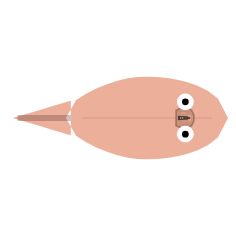 Narrow GrazerQuick, small bites suit scattered tender growth.
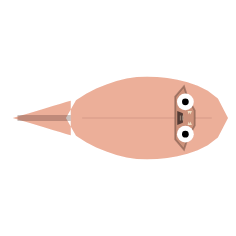 Wide GrazerA broad recessed mouth gathers a wider plant bite each cycle.
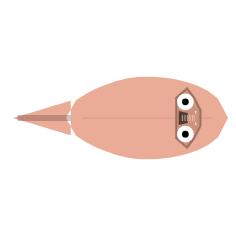 Grinding GrazerBroad plates crop and prepare repeated plant mouthfuls efficiently.
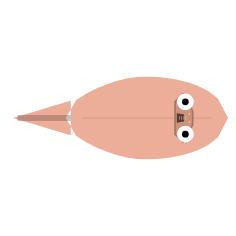 Recessed GrazerCan sample soft fresh remains but loses access as the carcass toughens.
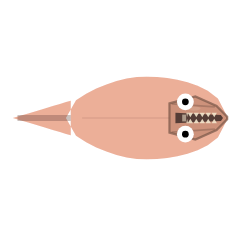 Supported CutterA long, sharp jaw stays fully beneath the body for braced carrion cutting.
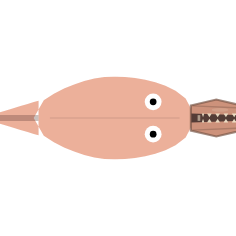 Projected HunterExcellent live-prey contact, but less braced against a stationary carcass.
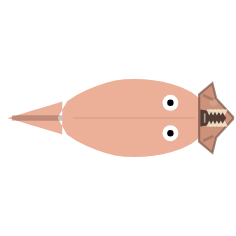 Wide EngulferA broad gape swallows prey that fits and delivers a large compact bite.
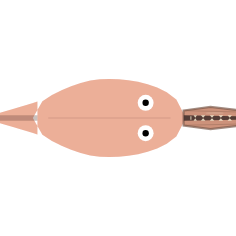 Long CatcherA narrow projected jaw reaches larger prey but often needs repeated bites.
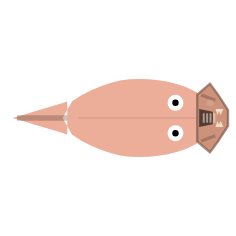 Shell CrusherA wide, powerful mixed mouth crushes armour, then cuts exposed tissue.
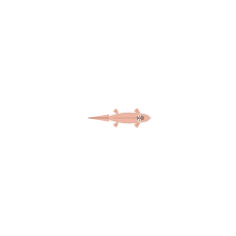 Juvenile (20% Growth)An early juvenile: small, weak, lightly armoured, and unable to mate.
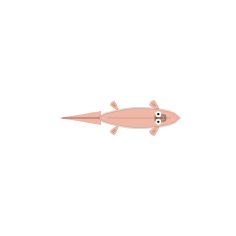 Juvenile (50% Growth)A growing juvenile whose body, fins, tail, jaw, and defences are still developing.
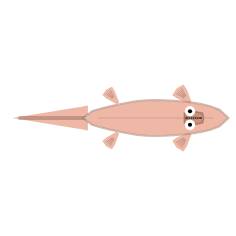 Mature AdultAdult dimensions and reproduction are available; Somatic Condition may still be building.
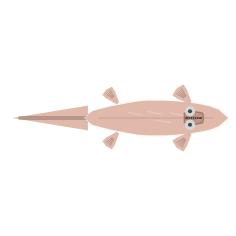 ElderNo longer able to mate, with faded colour, reduced physical performance, and weakened predation defences.
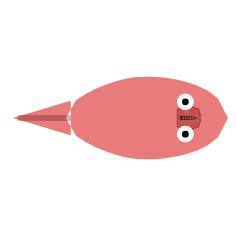 Red
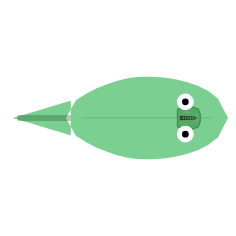 Green
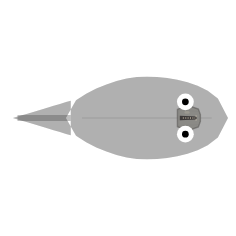 Grey
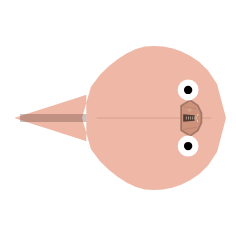 None
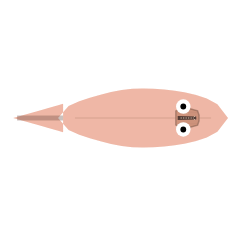 Mid
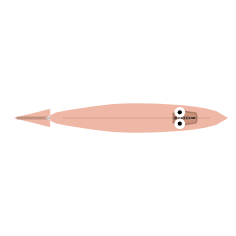 Full
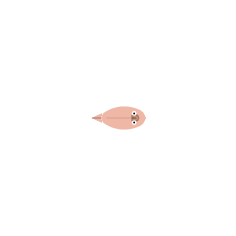 Small
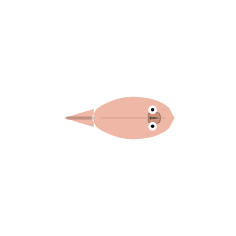 Mid
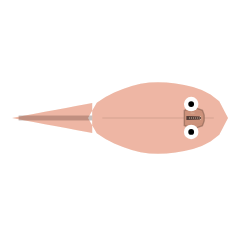 Large
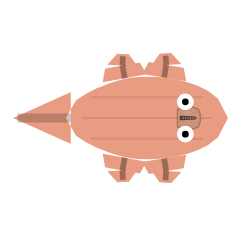 Dense Supported
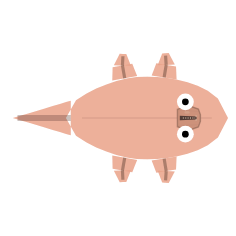 Balanced
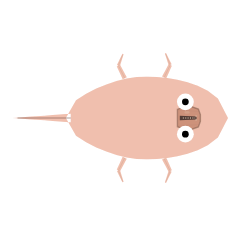 Underbuilt
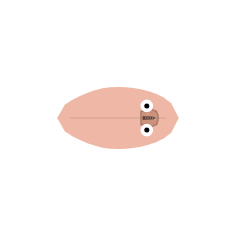 None
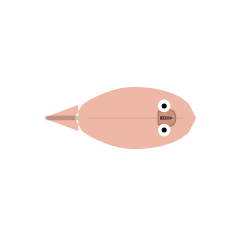 Short
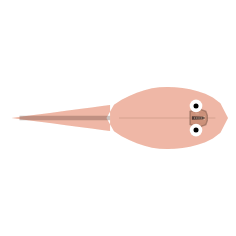 Long
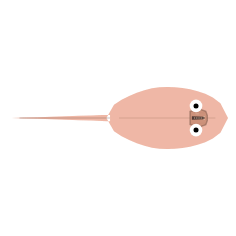 Thin
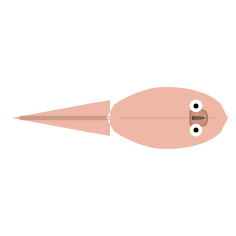 Muscular
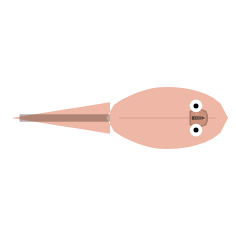 Reinforced
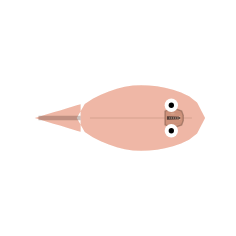 None
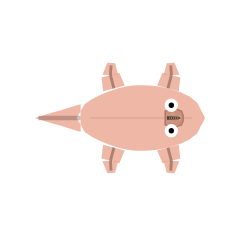 Few
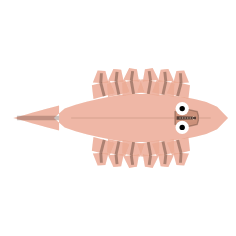 Many
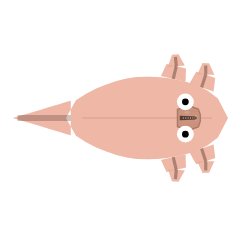 Front
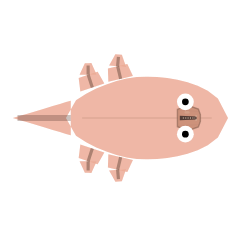 Rear
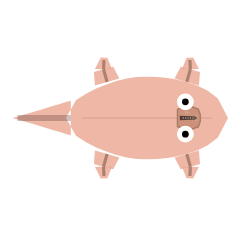 Long Field
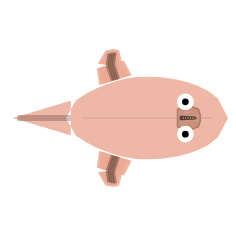 Clustered
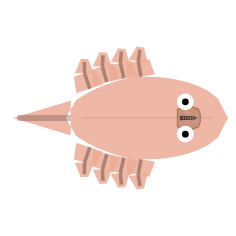 Mid
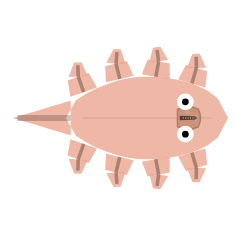 Spread
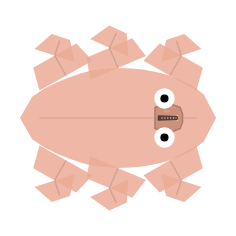 Muscle-heavy
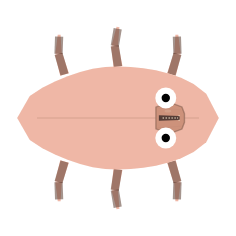 Structure-heavy
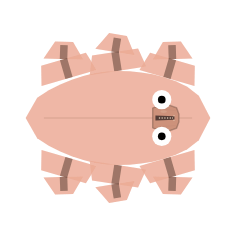 Strong + Supported
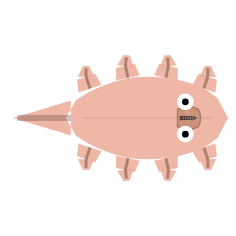 Even
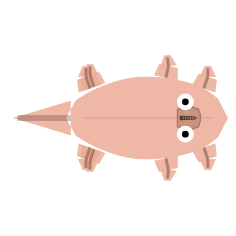 Rear Group
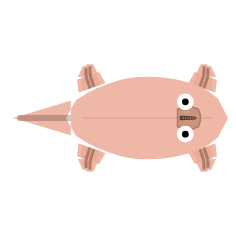 Front + Rear Groups
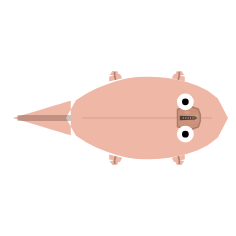 Even Short
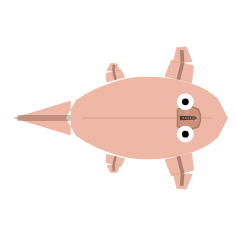 Front Long
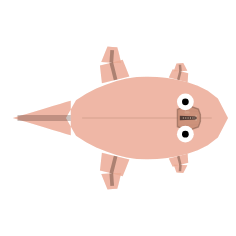 Rear Long
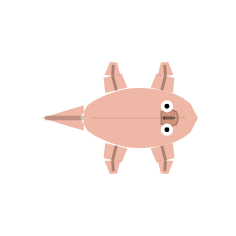 All Legs
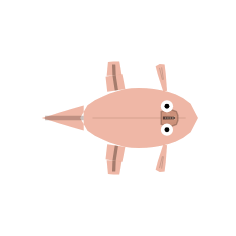 Front Fins
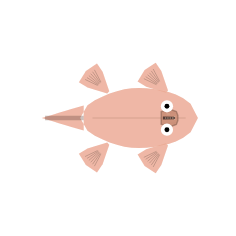 All Fins
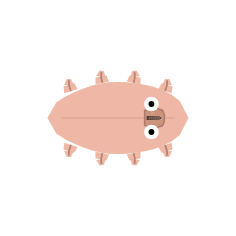 Short + Many
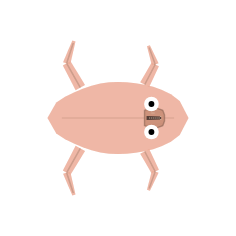 Long + Underbuilt
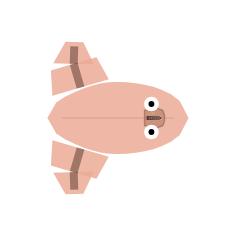 Rear Hopper
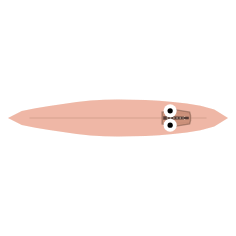 Body Wave
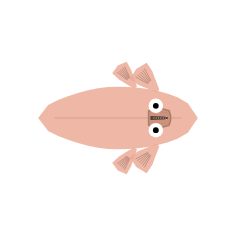 Front Paddler
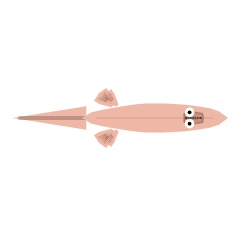 Tail + Rear Brace
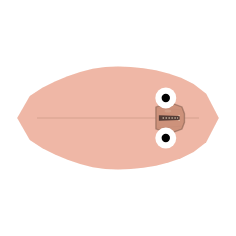 None
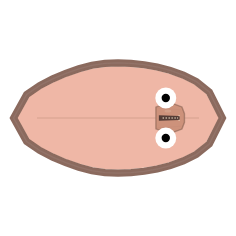 Mid
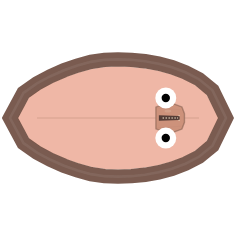 Thick
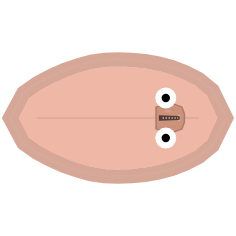 Weak
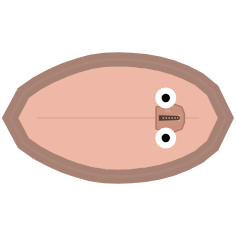 Mid
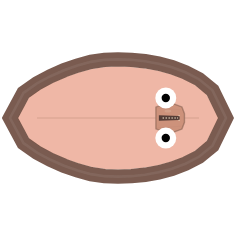 Strong
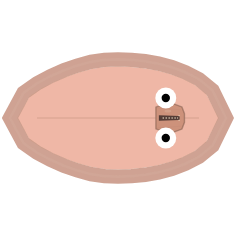 Wide + Weak
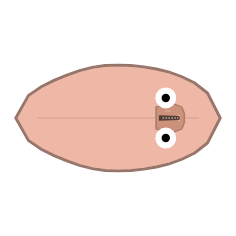 Narrow + Strong
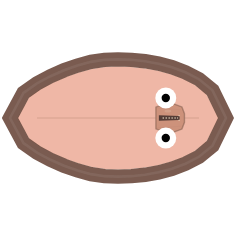 Wide + Strong
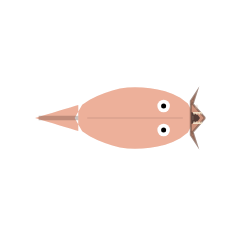 Wide + Short
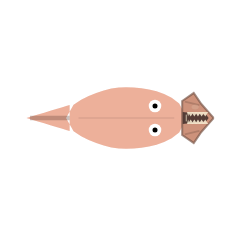 Wide + Mid
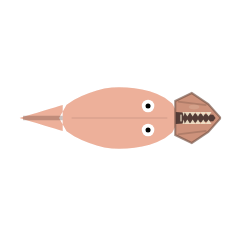 Wide + Long
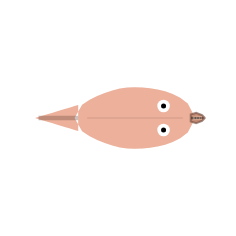 Narrow + Short
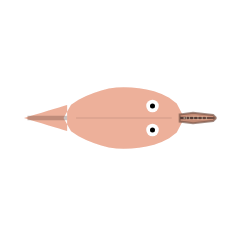 Narrow + Mid
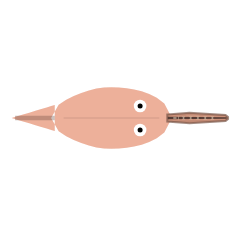 Narrow + Long
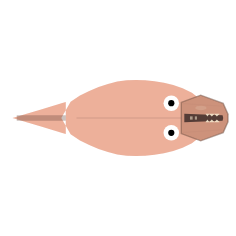 Wide + Weak
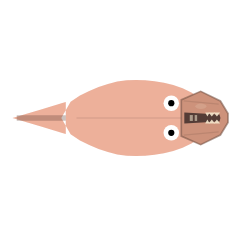 Wide + Mid
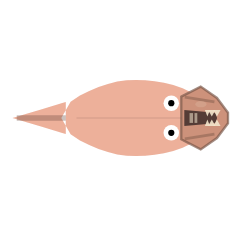 Wide + Strong
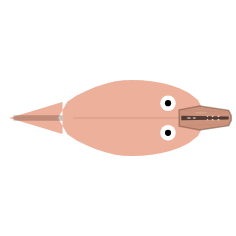 Narrow + Weak
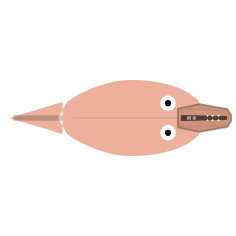 Narrow + Mid
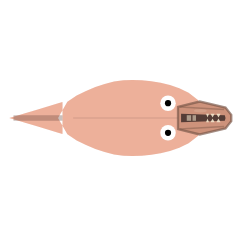 Narrow + Strong
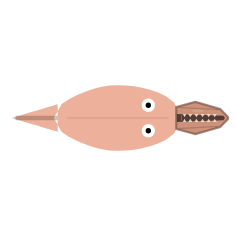 Sharp Hunter
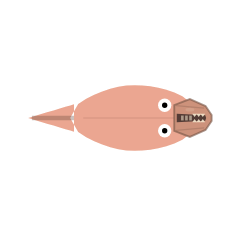 Mixed Feeder
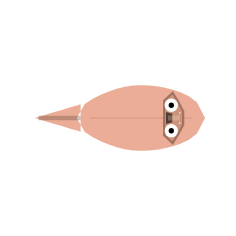 Broad Grinder
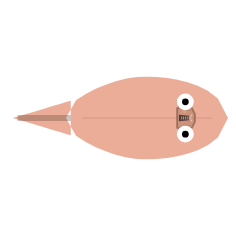 Recessed Grazer
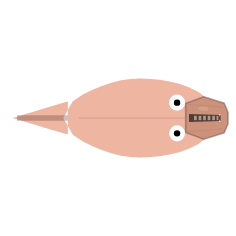 Intermediate
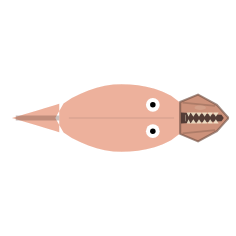 Projected
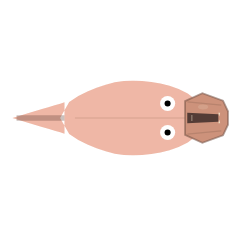 Low
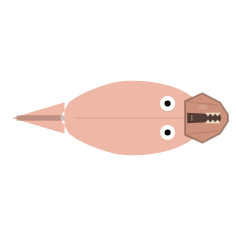 Mid
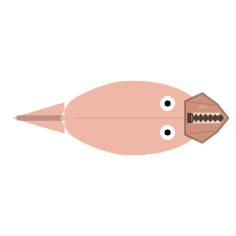 High
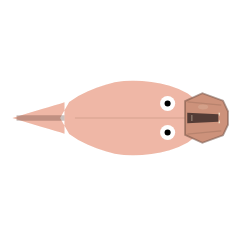 Low
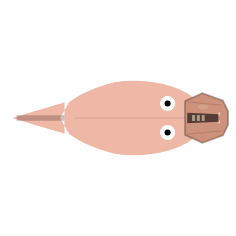 Mid
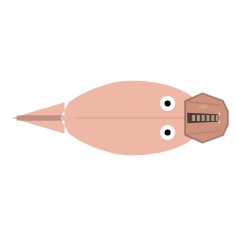 High
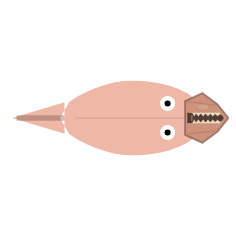 Sharp-biased
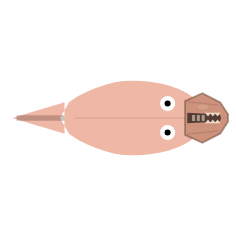 Both High
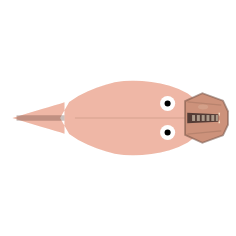 Grinding-biased
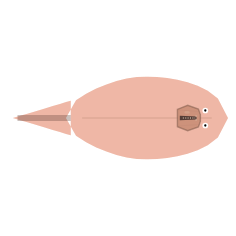 Small
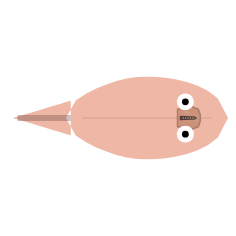 Mid
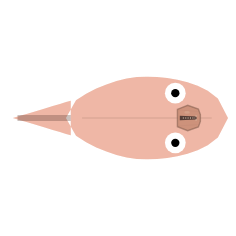 Large
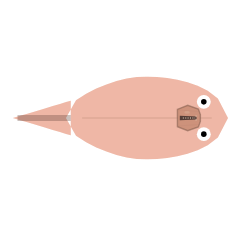
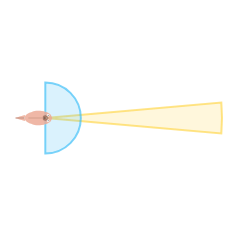 Narrow
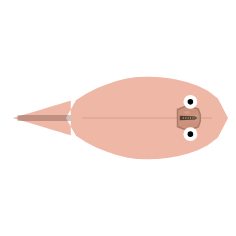
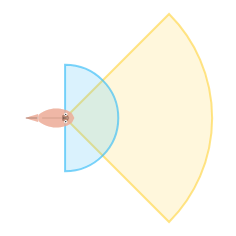 Mid
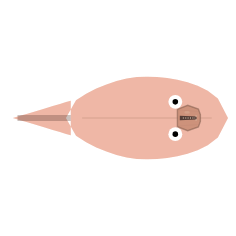
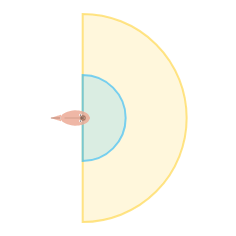 Wide
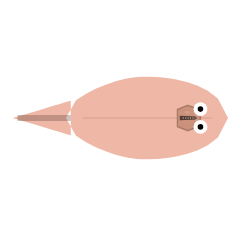
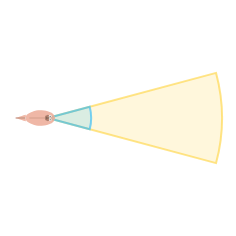 Narrow
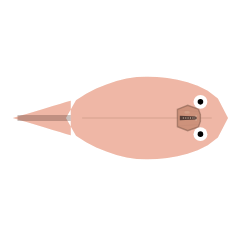
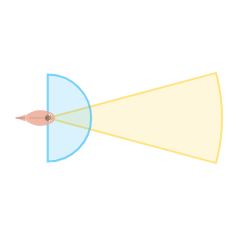 Mid
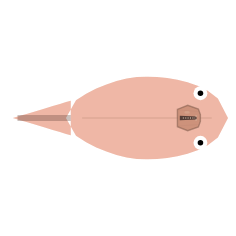
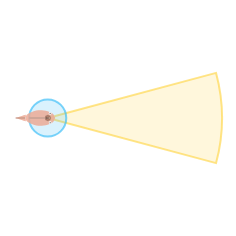 Panoramic
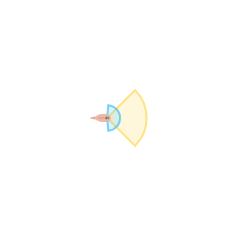 Short
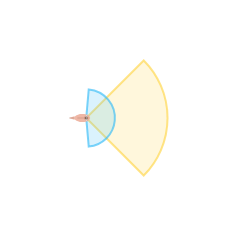 Mid
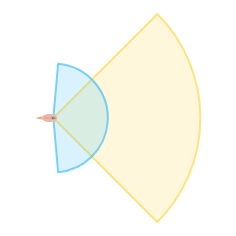 Far
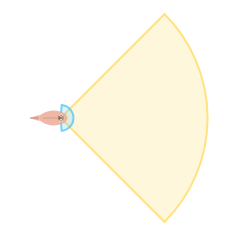 Short
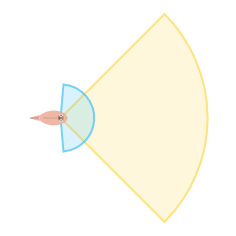 Mid
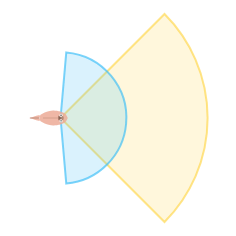 Far
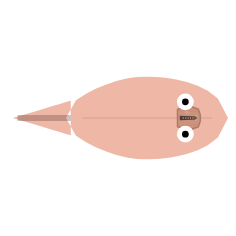 Female
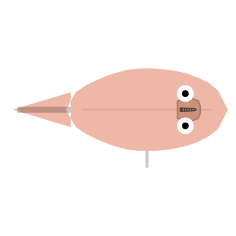 Male
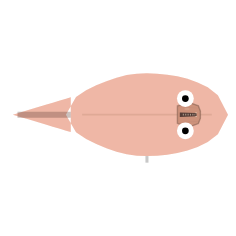 Low
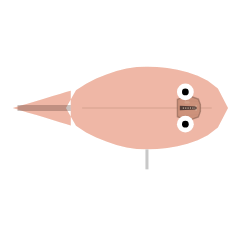 Mid
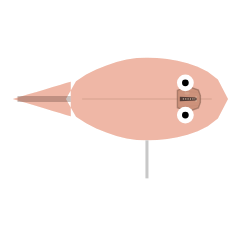 High